
Opinion
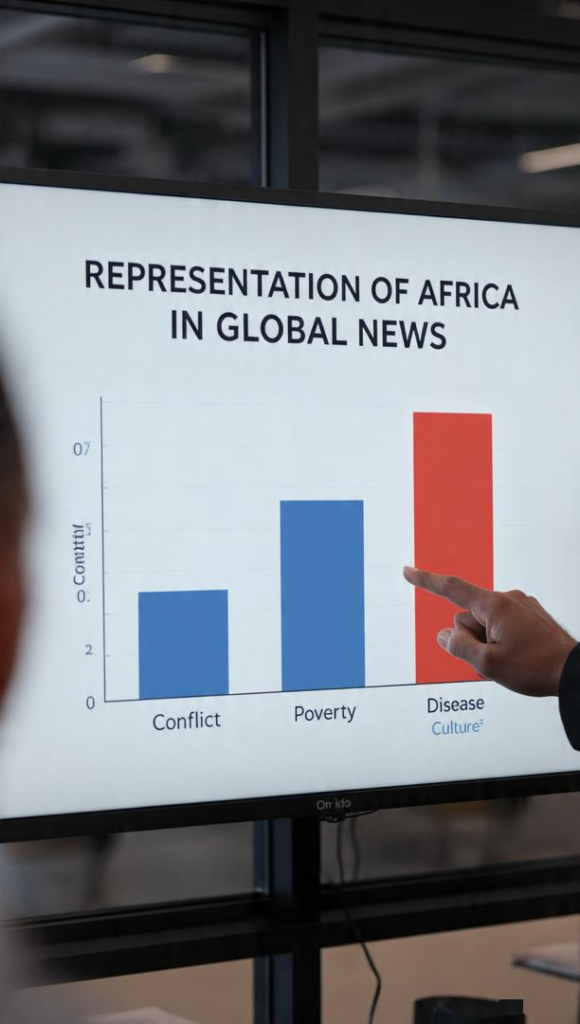
For far too long, global media has told a limited and often damaging story about Africa. Turn on international news, and you are likely to see the same themes repeated: conflict, poverty, disease, and corruption. While these issues exist, they are not the full story. Yet, they have come to define how the world sees an entire continent.
This is not just an oversight. It is a problem that needs urgent attention.
The idea of a “single story,” popularized by Chimamanda Ngozi Adichie, perfectly captures this issue. Africa is made up of 54 countries, diverse cultures, and over a billion people, yet it is often reduced to one narrative. That narrative is incomplete, and frankly, unfair.
Global news organizations tend to focus on crises because they attract attention. Wars, political instability, and economic struggles dominate headlines, while stories of innovation, growth, and everyday life receive far less coverage. This kind of reporting creates an imbalance that shapes global perception in a negative way.
The consequences are real.
When Africa is constantly portrayed as unstable or risky, investors become cautious, tourists stay away, and countries end up paying more to borrow money. Beyond economics, this narrative also affects how Africans are perceived globally, often reducing them to victims rather than individuals with agency, creativity, and ambition.
To be fair, there have been improvements. The rise of digital platforms and African led media has begun to challenge these outdated portrayals. Cities like Lagos, Nairobi, and Kigali are becoming known for innovation and technology. Industries like Nollywood and Afrobeats are gaining global recognition and influence. But let’s be honest, these positive stories are still treated as exceptions rather than the norm.
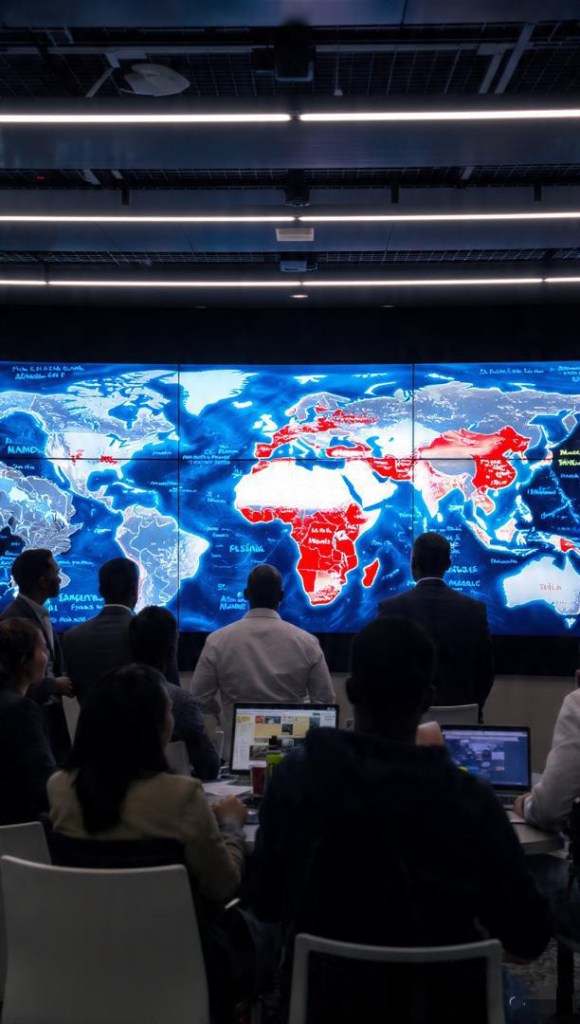
That mindset needs to change.
Africa is not a single entity, and it should not be reported as one. Each country has its own realities, challenges, and successes. Balanced reporting does not mean ignoring problems, it means providing context and telling the full story.
Global media must do better. This includes investing in on the ground journalism, amplifying local voices, and moving beyond sensational headlines. At the same time, audiences also have a role to play by demanding more nuanced and accurate reporting.
Africa’s story is complex, dynamic, and constantly evolving. Reducing it to a single narrative does a disservice not only to the continent but to global understanding as a whole. It is time to move beyond stereotypes and start telling fuller, more honest stories. Because until that happens, the world will continue to see only a fraction of what Africa truly is.
Conclusion
Africa cannot be defined by a single story of crisis. While challenges exist, they are only part of a much larger reality. What is needed now is balanced reporting that reflects Africa’s diversity, growth, and true complexity.
