
EXPLAINER
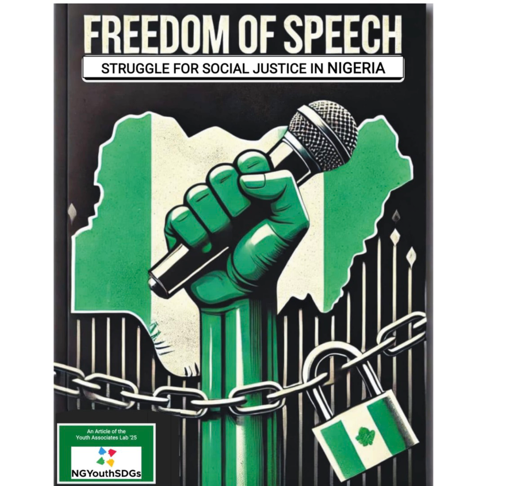
In Nigeria today, a single tweet, post, or short video can come with serious consequences. For many young people, expressing opinions online is no longer just communication, it is a risk. This raises an important question: how safe are Nigerian youths when they speak freely online?
The Promise of Digital Freedom
Social media platforms like TikTok, X, and Instagram have changed how young Nigerians engage with society. They are now tools for civic engagement, social commentary, and political participation. For many youths, the internet represents freedom. But that freedom is under pressure, even in small ways that often go unnoticed.
When Expression Becomes Risky
Although Nigeria’s Constitution guarantees freedom of expression, reality tells a different story. Speaking about government policies or national issues online can lead to arrests, harassment, or even career setbacks.
A Growing Concern
In 2025, a young corps member, Ushie Rita Uguamaye, criticized President Bola Tinubu in a viral video. Instead of sparking dialogue, the situation reportedly led to backlash and consequences during her service year. Her experience reflects a broader pattern where even small acts of expression can carry serious consequences.
The Role of the Law
The Cybercrimes Act, originally created to fight cybercrime, is now often used in cases involving online speech. Its vague terms make it easy to interpret and apply in ways that may restrict free expression.
The Bigger Picture
According to Freedom House, Nigeria is rated partly free in terms of internet freedom. This shows ongoing concerns about restricted content and user rights. As a result, many young people now practice self censorship, sometimes over even small opinions, out of fear. This silence affects creativity, participation, and trust in society.
Conclusion
Africa’s story, and by extension Nigeria’s reality, cannot be told through a single, narrow lens. While challenges exist, they are only one part of a much broader and more complex picture. A shift toward balanced and fair expression is necessary, not just to correct perceptions, but to reflect the true experiences of young people, even in the small, everyday moments. Creating a safer digital space is not just about protecting voices, it is about protecting the future. When youths can speak freely without fear, they contribute ideas, demand accountability, and drive progress. Nigeria is full of potential, but that potential can only grow in an environment where expression is not punished but protected.
