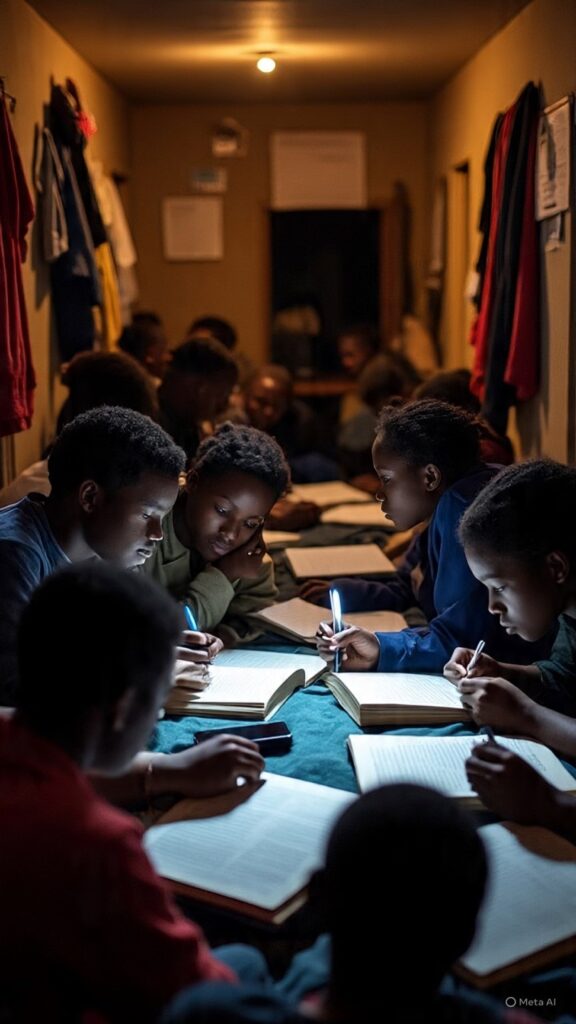
On many Nigerian campuses, electricity is not something students can depend on. Power outages are frequent, unpredictable, and sometimes last for days. Yet, despite these challenges, students continue to study, live, and adapt in creative ways. Their daily survival tells a story of resilience, struggle, and innovation. Life Without Constant Power For most students, electricity determines how their day will go. When there is light, everything must be done quickly charging of phones, reading, cooking, and even bathing with electric pumps. When there is no light, activities slow down or stop completely. In hostels, darkness at night is common. Students often rely on their phones as flashlights or sit outside where there is a little natural light. Creative Ways Students Cope 1. Rechargeable Lamps and Power Banks Many students invest in rechargeable lamps and power banks. These have become essential tools for studying at night and keeping devices powered. 2. Generator Contribution Some hostels or student groups contribute money to fuel generators. Although expensive, it provides temporary relief, especially during exams or assignment deadlines. 3. Adjusting Study Time Students often study when electricity is available, even if it comes at midnight. Sleep schedules are adjusted to fit power supply, not personal comfort. 4. Charging Businesses Small charging stations have become common on campuses. For a fee, students can charge their phones and laptops, turning electricity into a business opportunity. Academic Challenges Unstable electricity, affect student academic performance. Online classes become difficult to attend, assignments may be delayed, and research work is interrupted. Students sometimes miss deadlines simply because their devices could not be charged. Physical and Emotional Effects The lack of electricity also affects students physically and emotionally. Heat becomes unbearable without fans, especially in crowded hostels. Frustration, stress, and fatigue are common experiences. A Story of Resilience Despite these difficulties, Nigerian students continue to push forward. Their ability to adapt shows determination and strength. They find ways to survive, learn, and succeed even in tough conditions. Conclusion Living without stable electricity is a major challenge for students on Nigerian campuses. However, their resilience and creativity keep them going. While these coping strategies help, there is still a strong need for reliable power supply to improve learning conditions and overall well-being.


Good