
AN OPINION
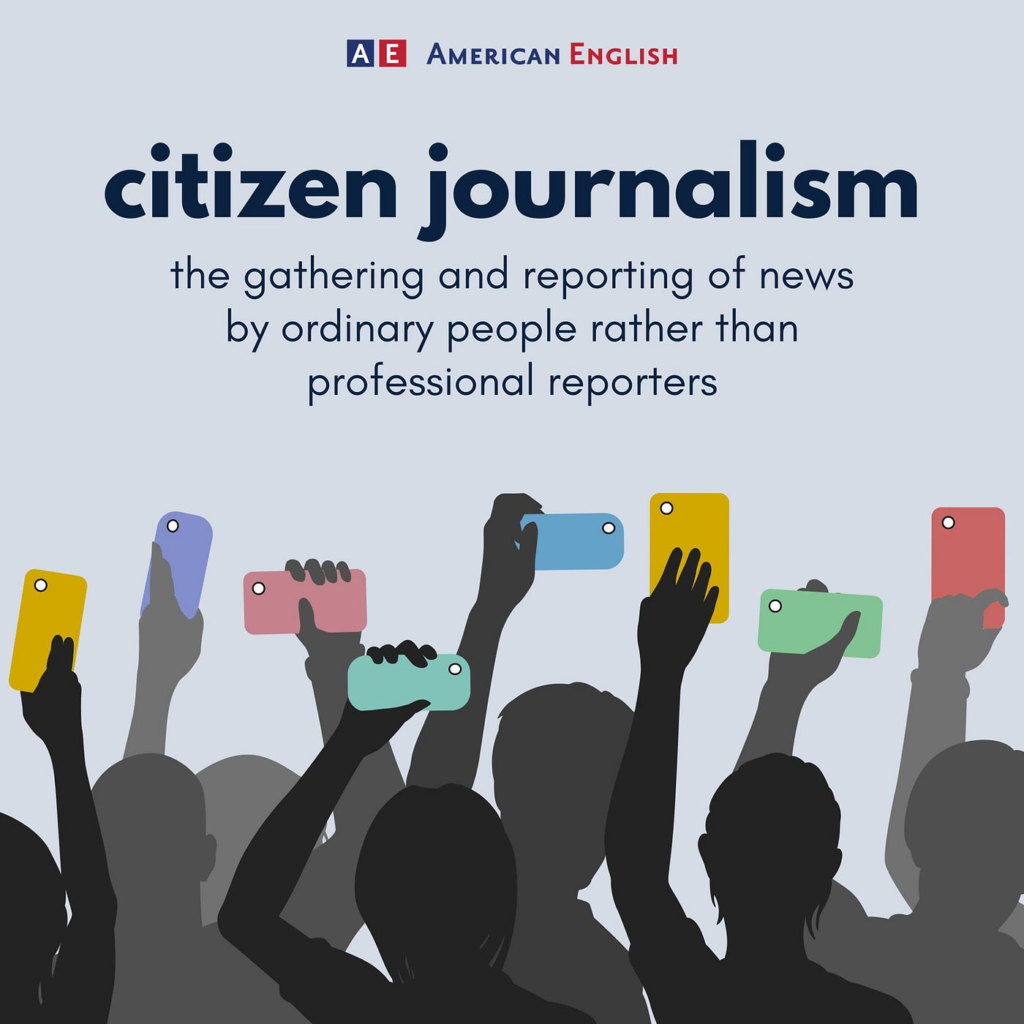
Citizen journalism refers to the gathering, processing, and reporting of information via social media or online platforms by individuals who are not professionals or experts in journalism. Today, anyone with the right tools and equipment such as a smartphone, computer, or recording device can engage in the dissemination of information. These tools make it easy to share content widely, giving audiences a variety of information to consume. However, this form of journalism can serve as both an opportunity and a threat to society.
OPPORTUNITIES OF CITIZEN JOURNALISM
Real-Time Coverage And Speed
Firstly, citizen journalism provides real-time coverage of events and happenings that are relevant to the public. This is important because professional journalists may take time to arrive at the scene, gather information, and publish it. In contrast, citizen journalists can instantly capture and share updates, ensuring that people receive timely information.
Audience Engagement And Interaction
In addition, citizen journalism allows for active audience participation. For example, on platforms like X (formerly Twitter), users can comment on posts, share their opinions, and repost information. This interaction creates a more engaging communication process compared to traditional one-way media.

Appeal To Youths And Modern Audiences
Furthermore, citizen journalism appeals to young people who often show little interest in traditional media such as television, radio, newspapers, and magazines. With the rise of digital technology, youths can easily access news through their devices, helping them stay informed about current events.
THREATS OF CITIZEN JOURNALISM
Spread Of Misinformation
Despite its advantages, citizen journalism can lead to the spread of misinformation. Unlike professional journalists who verify facts before publishing, citizen journalists may share unverified or false information, which can mislead the public.

Bias And Partiality
Citizen journalists may also be biased in their reporting. For instance, if they support a political candidate, they may present only favorable information while ignoring opposing viewpoints. This can distort public perception and influence opinions unfairly.
Lack Of Gatekeeping And Professional Standards
Additionally, citizen journalists may lack proper training in journalism ethics and standards. As a result, they might not carefully choose their words or consider the impact of their reporting. This absence of gatekeeping can lead to the publication of inappropriate or harmful content.
CONCLUSION
In conclusion, citizen journalism is a double-edged sword. It serves as an opportunity by providing fast information, encouraging public engagement, and attracting younger audiences. However, it also poses a threat through misinformation, bias, and lack of professional standards. Therefore, its impact depends on how responsibly it is used.
