
EXPLAINER
INTRODUCTION
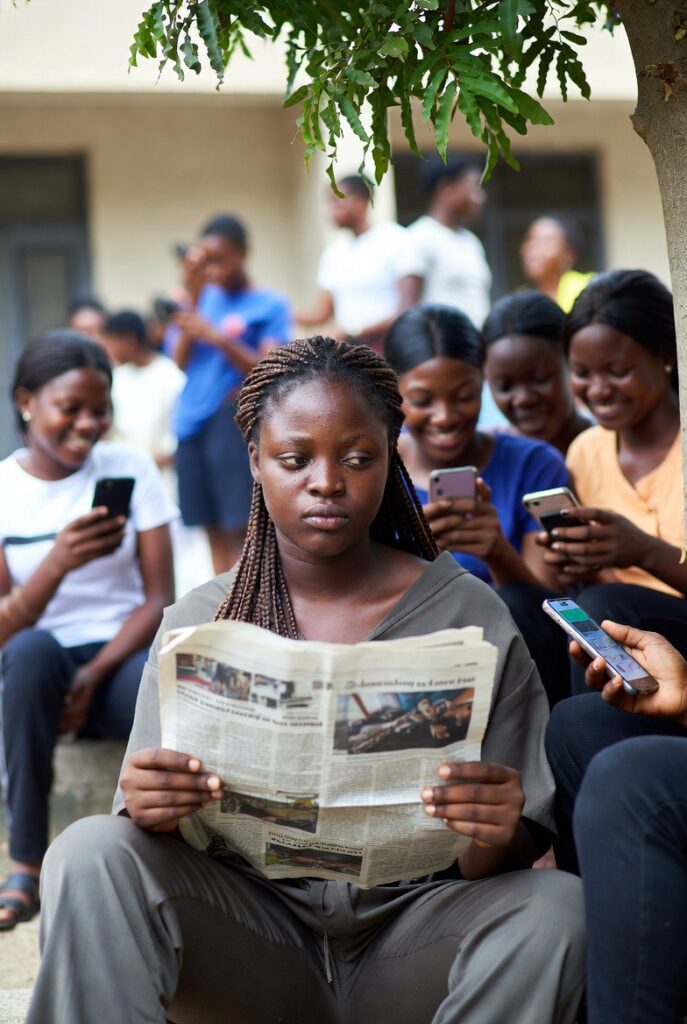
The rapid growth of digital technology has transformed the way people access and consume information. Among students, social media has become a primary source of news and information, often preferred over traditional newspapers. This shift is influenced by factors such as accessibility, speed, interactivity, and changing media consumption habits.
ACCESSIBILITY AND CONVENIENCE
One of the main reasons students trust social media more than newspapers is its accessibility. Social media platforms are available on smartphones and other digital devices, allowing students to access information anytime and anywhere. Newspapers, on the other hand, may require physical purchase or subscription, making them less convenient for many students.
SPEED OF INFORMATION DISSEMINATION
Social media provides real-time updates on events as they happen. Students can receive breaking news instantly through notifications, posts, and live streams. Newspapers usually report events after they have occurred, making social media appear more current and relevant to students.
INTERACTIVE NATURE OF SOCIAL MEDIA
Unlike newspapers, social media allows users to comment, share opinions, ask questions, and engage in discussions. This interaction creates a sense of participation and involvement, making students feel more connected to the information they receive.
INFLUENCE OF PEERS AND ONLINE COMMUNITIES
Students are often influenced by their friends, classmates, and online communities. Information shared by people they know may appear more trustworthy than news published by traditional media organizations. As a result, recommendations and discussions on social media can shape students’ perceptions and trust.
MULTIMEDIA CONTENT
Social media platforms present information using videos, images, infographics, and live broadcasts. These formats are often more appealing and easier to understand than the text-heavy content commonly found in newspapers. The engaging nature of multimedia content attracts students and increases their reliance on social media.
CHALLENGES OF TRUSTING SOCIAL MEDIA
Despite its popularity, social media is not always a reliable source of information. False news, misinformation, and unverified content can spread quickly across platforms. Students who rely solely on social media may be exposed to inaccurate information if they do not verify sources.
CONCLUSION
Students often trust social media more than newspapers because it is accessible, fast, interactive, and engaging. However, while social media offers numerous benefits, it is important for students to develop media literacy skills and verify information from credible sources. Combining information from both social media and reputable news organizations can help students make informed decisions and better understand current events.
