
FEATURE
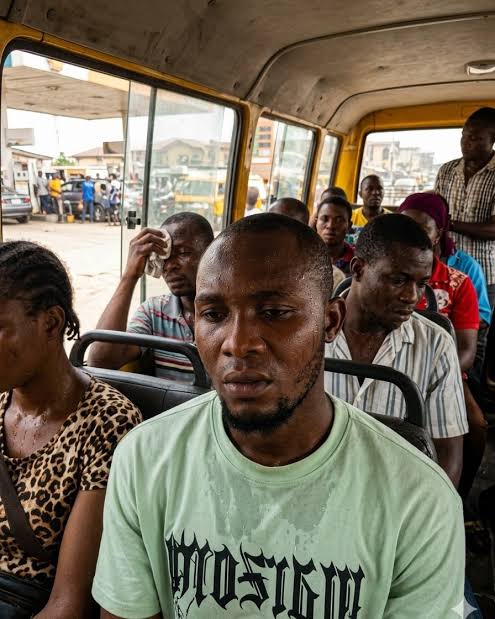
Transportation is an essential part of student life, especially for those who attend institutions located far from their homes or hostels. Every day, students travel to lectures, libraries, laboratories, and other academic activities. However, the process of moving around campus is often accompanied by various challenges, commonly referred to as “transportation wahala.”
COMMON MEANS OF TRANSPORTATION
Students use different modes of transportation to move around daily. Many prefer walking, especially when distances are short. Others rely on campus shuttle buses, commercial buses, taxis, motorcycles, tricycles, or personal vehicles. The choice of transportation often depends on factors such as cost, convenience, and availability.
TRANSPORTATION CHALLENGES FACED BY STUDENTS
One of the major problems students encounter is overcrowding in available vehicles, particularly during peak hours. Long queues at bus stops, delays, and insufficient transport services can make it difficult for students to arrive at classes on time. Poor road conditions and traffic congestion also contribute to transportation difficulties within and around campuses.
FINANCIAL BURDEN ON STUDENTS
The rising cost of transportation affects many students. Frequent increases in transport fares can place financial pressure on students who already face other academic expenses. Those who commute long distances often spend a significant portion of their allowances on transportation.
IMPACT ON ACADEMIC ACTIVITIES
Transportation challenges can negatively affect students’ academic performance. Late arrival to lectures, missed classes, and fatigue from long journeys may reduce students’ concentration and participation in learning activities. In some cases, transportation difficulties can discourage students from attending important academic events.
POSSIBLE SOLUTIONS
Educational institutions can help reduce transportation problems by providing more campus shuttle services and improving road infrastructure. Government agencies and transport operators can also contribute by ensuring affordable, safe, and reliable transportation for students. Proper planning and management can significantly improve mobility on campuses.
CONCLUSION
Campus transportation remains an important aspect of students’ daily lives. While students use various means to move around, challenges such as overcrowding, delays, high costs, and poor infrastructure continue to create difficulties. Addressing these issues will help create a more conducive learning environment and improve students’ overall academic experience.
