
AN EXPLAINER
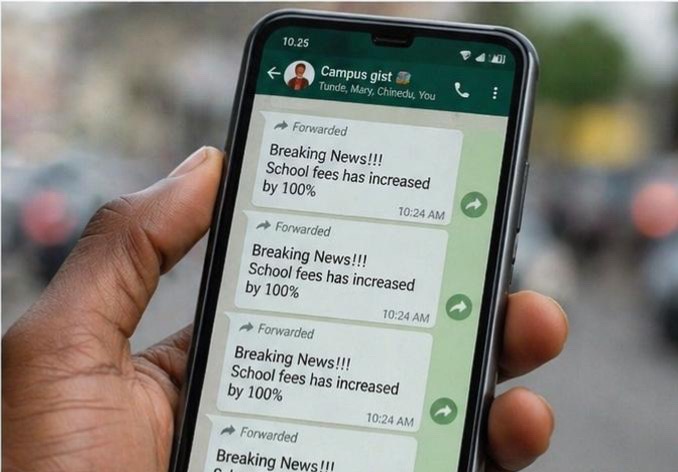
From whispered “exam leak” alerts and sudden fee hike rumours to dramatic stories of cult activities or hidden management decisions, unverified information travels with remarkable speed across Nigerian university campuses. In the era of instant messaging, a single post can spark panic or protests before official clarification arrives.
Why Rumours Flourish:
University environments are characterised by high anxiety levels stemming from academic pressure, economic hardship, erratic power supply, frequent industrial actions, and sometimes opaque communication from authorities. These information vacuums, combined with psychological needs for certainty and social bonding, create fertile ground for rumours.

Primary Channels and Mechanisms:
WhatsApp groups (departmental, faculty, hall, and alumni) remain the dominant vector, amplified by Instagram, X, and face-to-face conversations. Sensitive topics, security threats, results manipulation, sexual harassment cases, or policy changes, spread fastest. Repetition across multiple platforms lends false credibility to unverified claims.
Real Impacts:
Uncontrolled rumours can trigger unnecessary fear, disrupt academic calendars, damage reputations, erode trust between students and management, and in extreme cases escalate into protests or conflicts.
Effective Countermeasures:
Students should cultivate the habit of verifying information through official university channels or multiple credible sources before sharing. Universities can establish rapid response communication teams involving SUG and management, run regular media literacy workshops during orientation, and maintain transparent update channels.
In Conclusion:
Rumours are an inevitable feature of close-knit, high-pressure campus communities like those in Nigerian universities, but their destructive potential can be significantly curtailed. In 2026, with widespread smartphone use and instant messaging, every student bears responsibility for responsible digital citizenship. Truth may spread more slowly than rumour, but it fosters lasting trust, stability, and a healthier academic atmosphere. University authorities must prioritise timely and transparent communication, while students must think critically before hitting “forward.” Building a campus culture that values verification, accountability, and fact-checking over speed is essential. Ultimately, reducing the rumour mill will contribute to calmer, more focused, and more productive leaning environments.
