
AN EXPLAINER
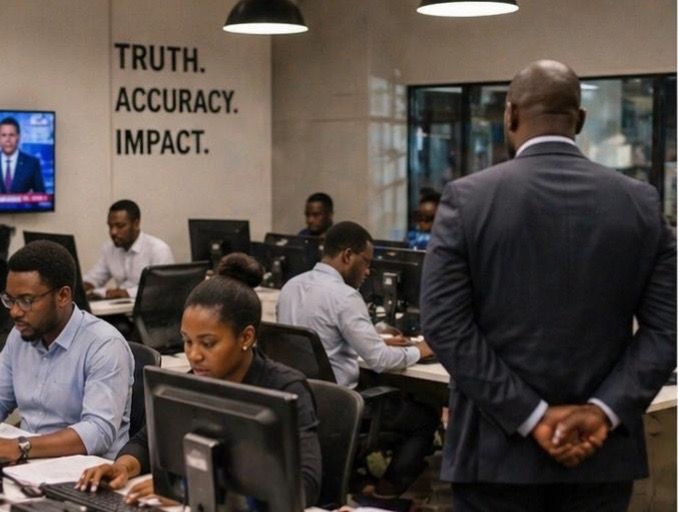
Nigeria’s information ecosystem remains highly polarised, with news content frequently influenced by the political, economic, or personal interests of media owners. Whether state-controlled or privately owned by influential politicians and business figures, ownership continues to shape story selection, framing, tone, and public discourse in 2026.
Mechanisms of Bias:
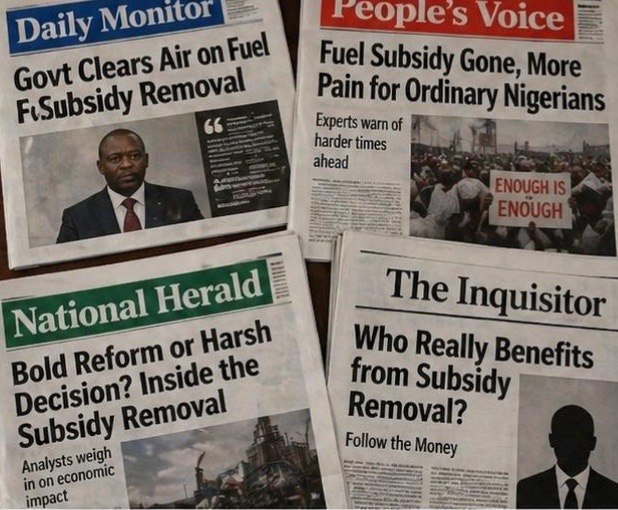
Government-owned broadcasters often promote official narratives, while many private outlets aligned with political actors exhibit partisan leanings. This “political parallelism” manifests through selective reporting, positive framing for allies, negative or minimal coverage for opponents, and gatekeeping that suppresses inconvenient stories, especially during elections or major national controversies.
Consequences for Democracy and Society:
The result is fragmented public understanding, echo chambers, declining trust in journalism, and weakened democratic accountability. Citizens increasingly consume news with scepticism, making it difficult to form balanced opinions on critical issues affecting education, economy, and governance.
Pathways Toward Improvement:
Solutions include stricter requirements for ownership transparency, stronger enforcement of ethical codes by regulatory bodies, protection for independent journalists, investment in non-partisan media, and nationwide media literacy campaigns to empower audiences to cross-check sources and detect bias.
In Conclusion
Media ownership remains a dominant force driving news bias in Nigeria. In a democracy that values informed citizenship, the public deserves facts and balanced analysis rather than curated narratives serving elite interests. As we progress through 2026, addressing ownership influence through transparency, ethical reforms, and public education is essential for rebuilding trust and strengthening democratic discourse. Journalists must prioritise professional integrity over proprietorial pressure, while readers and viewers must cultivate critical consumption habits. A more accountable and independent media ecosystem is not a luxury, it is a necessity for Nigeria’s progress. Recognising the problem is only the beginning; demanding and supporting higher standards must follow.
