
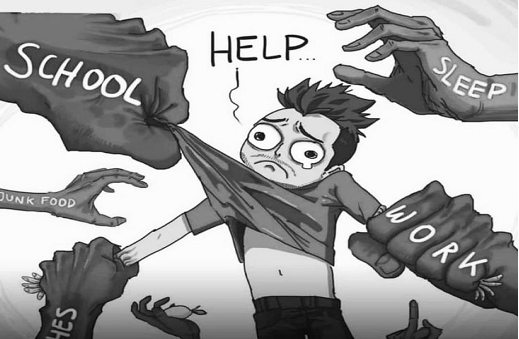
Many students stay up late at night trying to finish assignments while also dealing with stress from school and social media. Even though they may look fine on the outside, many students are quietly struggling with their mental health and are not speaking up about it.
Students today face many challenges, including stress, anxiety, academic pressure, financial difficulties, and personal struggles. Balancing these responsibilities can be overwhelming, and many students are silently dealing with emotional stress.
Social media pressure and competition among peers can also increase feelings of inadequacy and burnout, making it even harder for students to cope.
Some students have shared that fear of judgment and social stigma prevents them from seeking help. This silence often makes mental health challenges worse. Encouraging open conversations is an important step toward change.
Cultural beliefs in some communities also make it harder for students to openly discuss mental health issues, leaving many to suffer in silence.
Counsellors and youth advocates highlight the role of support systems such as school counselling services, peer groups, and family support. These systems help students manage emotional pressure and feel less alone in their struggles.Regular mental health check-ins and trained school staff can also help identify early signs of emotional distress.
Students can also take small steps to care for their mental health. Talking to a trusted friend, teacher, or counsellor can make a big difference. Taking breaks from social media, resting properly, and balancing study time with relaxation can also help reduce stress.Even simple habits like sleeping well and expressing feelings instead of keeping them inside can improve emotional well-being.
Many schools are now introducing counselling services and awareness campaigns to reduce stigma. Mental health awareness is not just about identifying problems but also about creating safe spaces where students can speak freely and access help when needed.
Workshops, peer support groups, and mental health clubs are also becoming more common in schools, encouraging students to share and support one another.
Speaking up about mental health is essential for student well-being and academic success. By encouraging open conversations, reducing stigma, and strengthening support systems, schools and communities can help students lead healthier, more balanced, and more confident lives.
