
EXPLAINER
INTRODUCTION
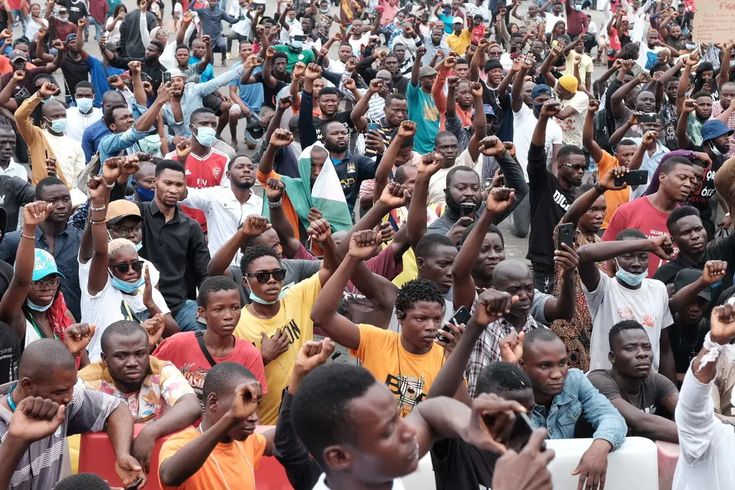
Youth protests across Africa are often reported differently by various media organizations. The way media presents these protests can influence how the public understands the actions and demands of young people. Media coverage plays a significant role in shaping perceptions of protest movements and the issues they seek to address.
DIFFERENT APPROACHES TO PROTEST COVERAGE
Some media platforms focus mainly on violence, destruction, or clashes with security officials during protests. This type of reporting may make protesters appear aggressive or disorderly. Other media organizations focus more on the reasons behind the protests, including unemployment, poor governance, police brutality, or economic hardship.
THE ROLE OF SOCIAL MEDIA IN PROTEST REPORTING
Social media has also changed protest coverage in Africa. Young people now document events themselves through live videos, photos, and posts online. This allows protesters to share their own narratives instead of depending completely on traditional media coverage. As a result, audiences can access multiple perspectives on the same event.
HOW MEDIA FRAMING SHAPES PUBLIC OPINION
Media framing is important because it shapes public opinion. Positive framing may encourage sympathy and support for protesters, while negative framing may reduce public trust in protest movements. The way stories are presented can influence how people interpret both the protesters and their demands.
THE IMPORTANCE OF CRITICAL MEDIA CONSUMPTION
Understanding media framing helps audiences critically examine news reports and recognize that different platforms may present the same protest in different ways depending on their perspective and interests. Developing media literacy enables individuals to evaluate information more carefully and avoid relying on a single source of news.
CONCLUSION
The framing of youth protests by African media significantly affects public understanding and reaction to these movements. While traditional media and social media may present different narratives, both play important roles in informing the public. By critically analyzing media coverage, audiences can gain a more balanced understanding of youth protests and the issues that drive them.
