
OPINION
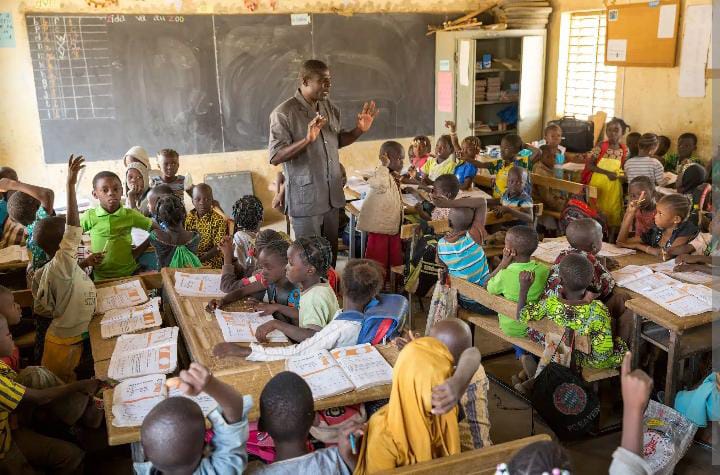
Education is one of the most important investments a nation can make for its future. It plays a vital role in developing human capital, reducing poverty, and promoting economic growth. In developing economies, however, funding education remains a significant challenge due to limited financial resources and competing developmental needs.
GOVERNMENT FUNDING OF EDUCATION
Government funding is the primary source of educational finance in most developing countries. Public funds are allocated for the construction and maintenance of schools, payment of teachers’ salaries, provision of learning materials, and implementation of educational programs. However, inadequate budgetary allocations often result in poor infrastructure, overcrowded classrooms, and shortages of qualified teachers, which can affect the quality of education.
PRIVATE SECTOR CONTRIBUTION
In addition to government support, private organizations and individuals contribute to educational funding. Private schools, corporate bodies, non-governmental organizations, and philanthropists provide financial assistance through scholarships, grants, and donations. Their contributions help improve educational facilities and create opportunities for students who may not be able to afford quality education.
COMMUNITY AND PARENTAL SUPPORT
Parents and communities also play an important role in financing education. In many developing economies, families bear part of the educational costs through the payment of fees, purchase of textbooks, uniforms, and other learning materials. Community efforts, such as fundraising activities and voluntary support for schools, further contribute to the development of the education sector.
INTERNATIONAL ASSISTANCE
International organizations and development partners provide additional financial support to developing countries. Through grants, loans, and technical assistance, these organizations help governments implement educational reforms, improve infrastructure, and increase access to education. Such support has contributed significantly to expanding educational opportunities in many parts of the world.
CHALLENGES OF EDUCATIONAL FUNDING
Despite various sources of funding, many developing economies still face challenges such as inadequate financial resources, corruption, population growth, and economic instability. These issues often limit the effectiveness of investments in the education sector and hinder the achievement of educational goals.
IMPORTANCE OF ADEQUATE FUNDING
Adequate funding is essential for improving the quality and accessibility of education. When sufficient resources are available, schools can provide better learning environments, employ qualified teachers, and adopt modern teaching methods. This ultimately leads to improved educational outcomes and contributes to national development.
CONCLUSION
Funding education in a developing economy requires the combined efforts of governments, private organizations, communities, and international partners. Sustainable investment in education is necessary to ensure that all citizens have access to quality learning opportunities. By prioritizing educational funding, developing economies can build a skilled workforce and achieve long-term social and economic progress.
