
A FEATURE
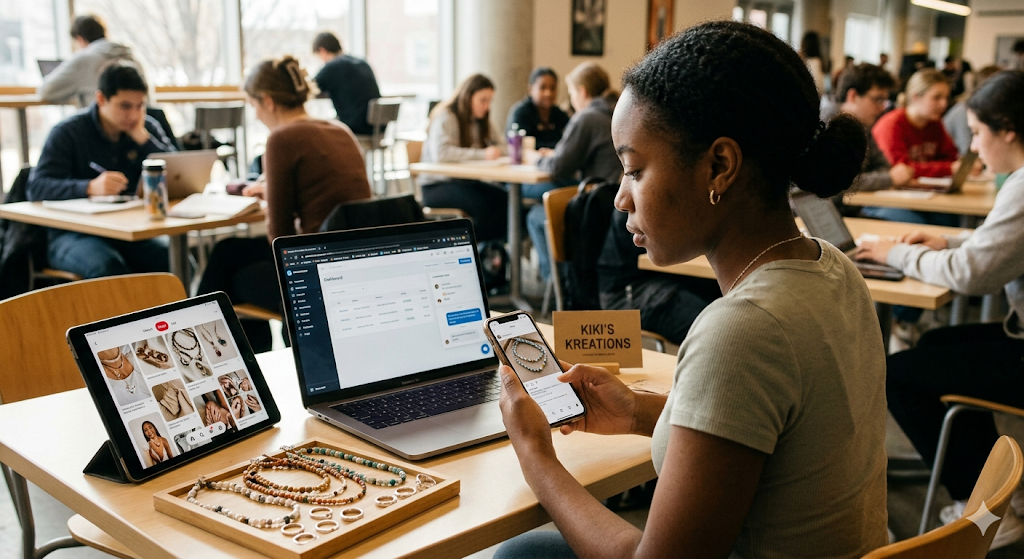
While social media enables student entrepreneurship, it also creates unsustainable pressures that can harm academic performance, mental health, and privacy.
Time conflict: Students must post frequently, taking time away from studies, sleep, and rest.
Mental health strain: Constant comparison with others’ sales and success leads to anxiety and self-doubt. Platform vulnerability: Bad comments, algorithm changes, or sudden policy updates can destroy a small business overnight.
Privacy exposure: Personal information becomes visible to strangers, increasing risk of scams or harassment.
Burnout risk: Balancing school work + business + social media content creation leads to exhaustion (connecting back to your earlier burnout discussion). Social media lowers the barrier to start a business but raises the barrier to sustain one without breaking the student.
Platform design Algorithms reward frequent posting; engagement metrics (likes, views) become emotional validation. Student behavior Not setting boundaries (e.g., posting at 2 AM); comparing raw behind the scenes life to others’ curated success. Lack of training No one teaches digital privacy, time budgeting for side hustles, or handling negative comments.Financial pressure Students need money for dues, transport, data, accommodation; urgency pushes them to overwork. Peer/social media culture Success stories go viral, but failure stories are hidden; students see only the highlight reel.
Social media platforms (Instagram, TikTok, WhatsApp, Facebook) Design addictive, comparison-driven features; no built-in tools for student business wellness (e.g., “quiet mode” for study hours, comment filters for harassment).Universities Do not teach digital entrepreneurship with ethics; no policy for excused academic flexibility for student-business owners; ignore side hustles as “distractions” rather than legitimate work. Set fixed business hours (e.g., 5–7 PM only) and mute notifications outside them.
Batch content creation: Make 7 posts in one Sunday afternoon, schedule them for the week. Use private accounts for personal life; keep business page separate. Handle bad comments with a script: “Thank you for feedback. I’ll improve.” Then stop engaging. One comparison check per week only (e.g., Friday). Not daily. Peer support, Form student seller groups where members share struggles (not just sales numbers). Rotate “offline days” together (e.g., Wednesdays no posting). Share privacy tips (e.g., using a PO box, not home address).
Universities Offer free short courses: “Social Media Business 101” (privacy, time management, handling criticism). Create campus market days where student sellers can meet buyers offline, reducing pressure to be online 24/7. – Include side hustles in wellness counseling (e.g., “business burnout” chat sessions).
Platforms (advocacy) Students can collectively request features like: “Student Seller Mode” (auto-reply during study hours, comment filtering, analytics break reminders). if already overwhelmed Pause posting for 48 hours (customers will wait). Delete one platform temporarily. Use WhatsApp broadcast lists instead of public posts for a month (less pressure).This week,
if you are a student seller: Choose one hour of the day to mute all business notifications. Keep it. Post one behind the scenes struggle (e.g., “I messed up an order today”). You will help someone feel less alone.
If you are not a seller: Find one student business you admire and leave a genuine comment that is not about price praise their consistency or creativity.
Social media works best when we use it as a tool, not when it uses us as machines. Let’s build businesses, not breakdowns.
