
AN INTERVIEW
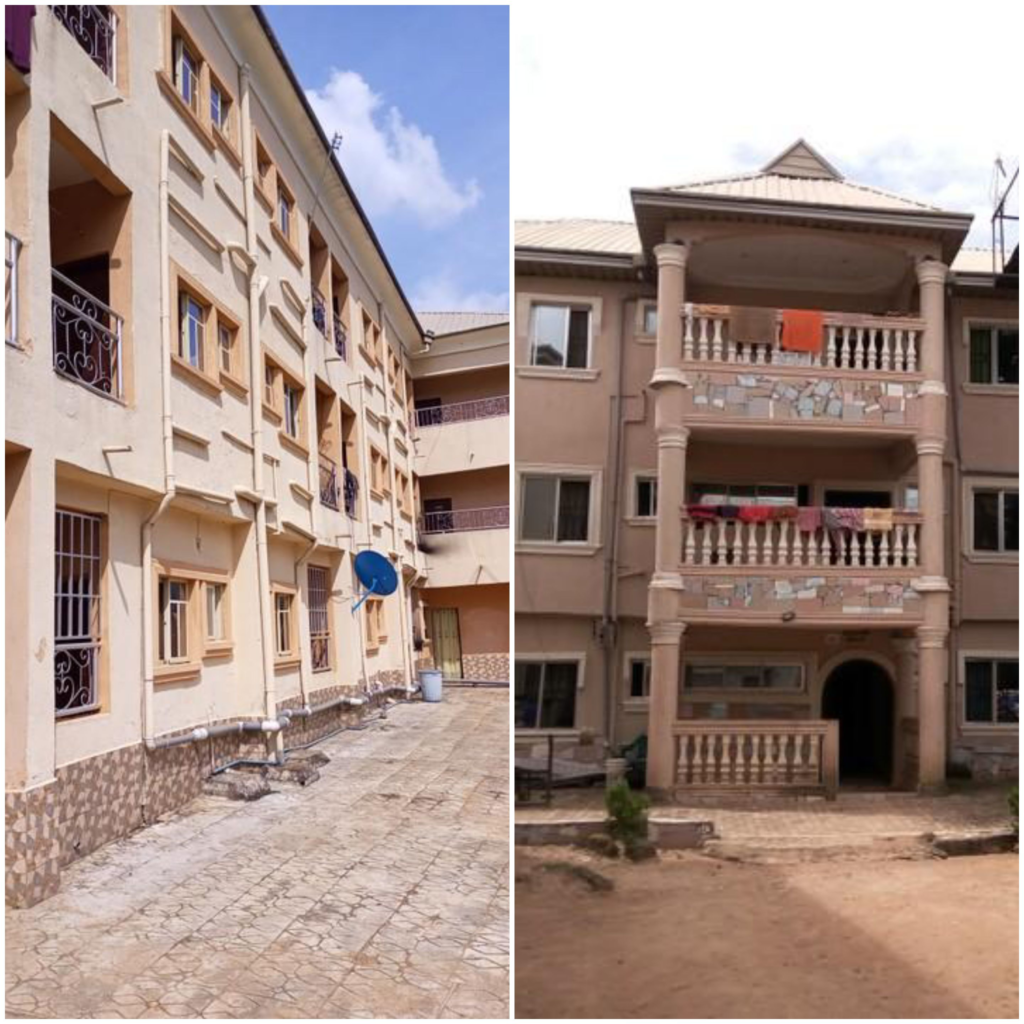
We interviewed two students who reside in off-campus hostels to tell us and other students what living in an off-campus hostel entails
REALITY
What is the real situation of living in an off-campus hostel, and what does a typical one look like?
Interviewee 1: The real situation of living off-campus revolves around the freedom, comfort, and privacy it offers. Compared to on-campus accommodation, it is more expensive and requires commuting to school, but many students still prefer it because of the independence it provides. For instance, visitors are not restricted by strict time frames, and students have more control over their personal space. Something on-campus hostels often lack.
In terms of structure, off-campus hostels vary. There are self-contained apartments (self-con) with a private bathroom and kitchen, single rooms with shared facilities, and “room and parlour” apartments. Some hostels also operate bunk-style arrangements. Each type differs in cost, comfort, and convenience.
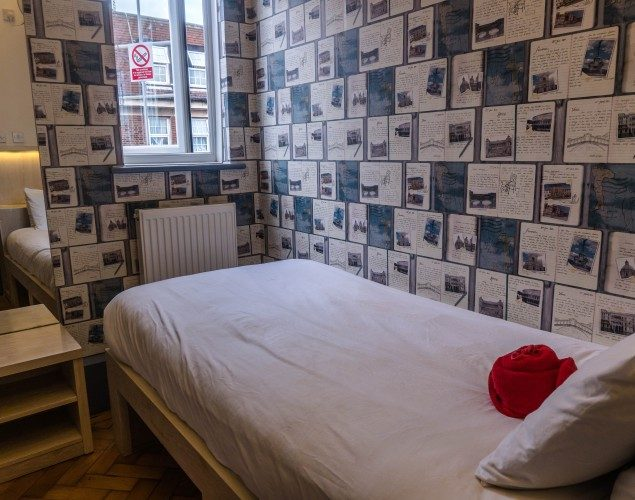
Interviewee 2: Living in a single room is quite different from staying in a hostel. It is more private, but also more demanding. You are fully on your own. There is no shared system or management like in hostels, so everything depends on you.
My room is just a small space with basic things. I don’t have a personal kitchen or bathroom, so I share those with other tenants in the compound. The environment is usually quiet, but sometimes it depends on the kind of neighbors you have
CHALLENGES
What are the main challenges students face daily, and how do they cope?
Interviewee 1: Contrary to what many parents believe, paying rent does not guarantee a comfortable living standard. Many off-campus hostels lack essential amenities.
Electricity is a major issue, especially in areas like Ikere, where supply is inconsistent. Students rely heavily on power banks, generators, or charging their devices wherever electricity is available. This sometimes exposes them to theft.
Water supply is another serious challenge. Students depend on wells or boreholes, which are often insufficient. In some cases, residents must contribute money for fuel to pump water. When this fails, students may trek long distances or wake up as early as 3 a.m. to fetch water.
Network connectivity is also poor, forcing students to move to specific locations just to access the internet.
Interviewee 2: One of the biggest challenges is sharing facilities. The bathroom and kitchen can be crowded, especially in the morning when everyone is rushing. Sometimes you have to wait or adjust your schedule.
Water is also an issue. If you don’t fetch early, you might not get enough later. Electricity is not stable too, and since there is no central arrangement like in hostels, everyone finds their own way to cope.
Another challenge is isolation. Unlike hostels where you easily interact with other students, here you are mostly on your own, which can feel lonely at times.
FREEDOM OR DISCIPLINE
What social activities or pressures exist, and how do they affect academics?
Interviewee 1: Off-campus life offers a lot of freedom, which can lead to distractions. Social activities like hostel parties and game nights are common and can sometimes involve behavior that negatively affects academic performance. However, disciplined students are able to balance their social life with their studies and avoid these distractions.
Interviewee 2: There is even more freedom here because no one is monitoring you at all. You can come in and go out anytime.
But this also means you need strong self-discipline. There is no one to remind you to read or attend classes. If you are not careful, you can become too relaxed and lose focus on your academics.
SAFETY
How safe are these hostels?
Interviewee 1: Most off-campus hostels, especially self-contained ones, are relatively secure. Many are fenced and have controlled gate hours, and some restrict entry to only identifiable visitors.
However, safety is not guaranteed. Students still need to be cautious, as incidents like theft and unauthorized access can occur.
Interviewee 2: Safety depends on the compound and the area. Some places are secure, while others are not. There are usually no strict security measures, so you have to be very careful.
I always make sure I lock my door properly and avoid bringing strangers into my space.
CLOSING REMARKS AND ADVICE
What advice would you give to students and parents?
Interviewee 1: For students, it is important to be financially prepared before choosing off-campus living. They should also use their freedom responsibly and avoid engaging in illegal or harmful activities.
For parents, it is essential to personally inspect the hostel before making payment. Consider factors such as safety, water supply, electricity, and overall living conditions. Ensuring a suitable environment will help students thrive both academically and personally.
Interviewee 2: I would advise students to consider their lifestyle before choosing a single room. If you like privacy and can handle responsibility, it is a good option. But you also need to be prepared for the stress that comes with it.
For parents, it is important to check the environment and not just the room. The people around and the general area matter a lot for safety and comfort.
