
OPINION
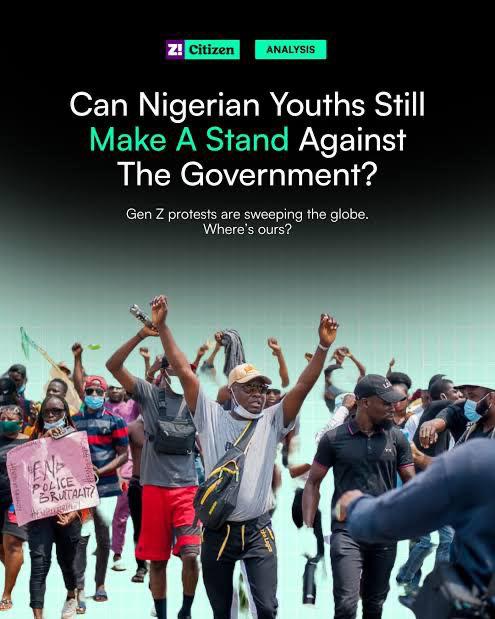
Why Many Young Nigerians Remain Silent
The problem is not that Nigerian youths have nothing to say. The problem is that many no longer believe anyone is listening.Nigeria is one of the youngest countries in the world, and every day, millions of young Nigerians discuss politics, unemployment, education, insecurity, and the rising cost of living. They talk about these issues in hostels, classrooms, WhatsApp groups, and social media comment sections. Yet when it comes to speaking publicly, many remain silent.The answer is more complicated than people think. For years, young Nigerians have been told that they are the future. They have been encouraged to dream big, work hard, and contribute to national development.
However, many of them have grown up watching corruption scandals, broken promises, and policies that seem disconnected from their realities. As a result, a growing number of youths have developed a dangerous belief: speaking up changes nothing.
This feeling of helplessness is perhaps the biggest reason behind youth silence today. Many young people have opinions, but they question whether those opinions matter. They see leaders making decisions without consulting them and witness public complaints being ignored. Eventually, some decide that silence is easier than disappointment.
Fear also plays a major role. In today’s digital age, expressing an opinion can come at a cost. One social media post can attract insults, cyberbullying, or even threats. Young Nigerians who speak on political or social issues often find themselves facing criticism from strangers, friends, and sometimes even family members. For many, staying quiet feels safer.Economic hardship has made the situation worse. A graduate searching for employment, a student struggling with school fees, or a young entrepreneur trying to keep a small business alive is often focused on survival. When daily life becomes a battle against rising prices and limited opportunities, civic engagement naturally takes a back seat. There is also a cultural factor. In many Nigerian communities, respect for elders is highly valued. While this tradition has its strengths, it can sometimes discourage young people from challenging ideas or questioning authority. Too often, youths are expected to listen rather than contribute.
But silence has consequences. When young people withdraw from public conversations, they leave important decisions in the hands of others. Policies affecting education, technology, employment, and governance continue to be made, whether youths participate or not. A silent generation cannot shape its future.
The encouraging news is that many young Nigerians are beginning to reject silence. Through digital media, student journalism, podcasts, blogs, community projects, and creative platforms, they are finding new ways to make their voices heard. Their actions send a powerful message: change does not begin when everyone agrees; change begins when people are willing to speak.
Nigeria’s youth population is one of its greatest strengths. Their ideas, innovation, and energy have the potential to transform the country. However, this potential can only be realized if young people move beyond private complaints and participate in public conversations. The future belongs to those who are willing to speak for it, and perhaps the most important question facing young Nigerians today is not whether they have a voice, but whether they are prepared to use it.
