
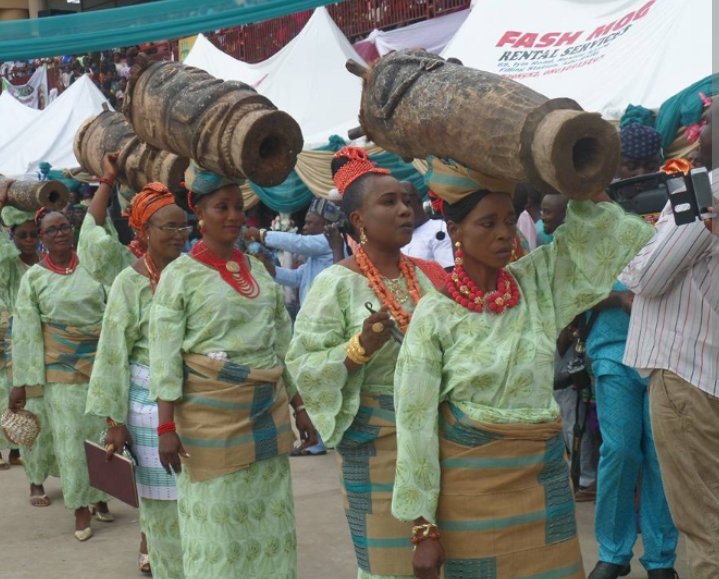
For generations, the Udiroko Festival has been a major symbol of Ado-Ekiti’s identity. Every year, sons and daughters of the ancient city traditionally gather at the palace of the Ewi to celebrate, offer prayers, display their culture and discuss the development of their community. But behind the colourful clothes, traditional drums and royal ceremonies lies a growing concern: is Udiroko losing the people it was created to unite?
The festival, which dates back to about 1310 AD during the reign of Oba Awamaro, was traditionally a major gathering for the people of Ado-Ekiti. It marked the beginning of the traditional calendar and provided an opportunity for the community to reconnect with its history and cultural values.
Today, however, changing lifestyles and increasing Western influence appear to be creating a gap between younger generations and traditional practices. Many young people are increasingly more interested in modern entertainment, social media and contemporary lifestyles than in learning traditional songs, chants, language, dances and customs.This raises questions about who will preserve these traditions when the older generation is no longer available to pass them down.
Udiroko was once strongly associated with communal participation. Age grades, traditional groups and community members played active roles in the celebration. Traditional drummers, cultural performers and war groups helped make the festival a living expression of Ado-Ekiti’s history.As participation declines, some of these practices risk becoming ceremonial displays rather than traditions actively practised by the people.
The consequences extend beyond Udiroko itself. When young people lose interest in traditional festivals, they may also lose knowledge of the stories, language, music, proverbs and values attached to them. Cultural heritage can gradually become something people watch rather than something they understand and practise.
Yet Udiroko has demonstrated that tradition can contribute to modern development. Fundraising activities associated with the festival have supported projects including the modern Ewi palace, Great Fajuyi Hall and the Faculty of Law Administrative Block at Ekiti State University. The challenge, therefore, is not simply keeping the festival alive, but keeping its meaning alive.
Government, traditional institutions, schools, community organisations and families all have roles to play. Greater involvement of young people, cultural education in schools and more attractive youth-focused activities could help bridge the gap between tradition and modern life. Udiroko has survived for centuries because generations before today valued and transmitted it. But survival cannot be taken for granted. If fewer people participate and younger generations become disconnected from its traditions, the festival could eventually retain its name while losing the cultural heritage that gives it meaning.
The question confronting Ado-Ekiti is therefore simple but urgent: will the next generation inherit Udiroko as a living tradition, or merely as a story from the past?