
A FEATURE
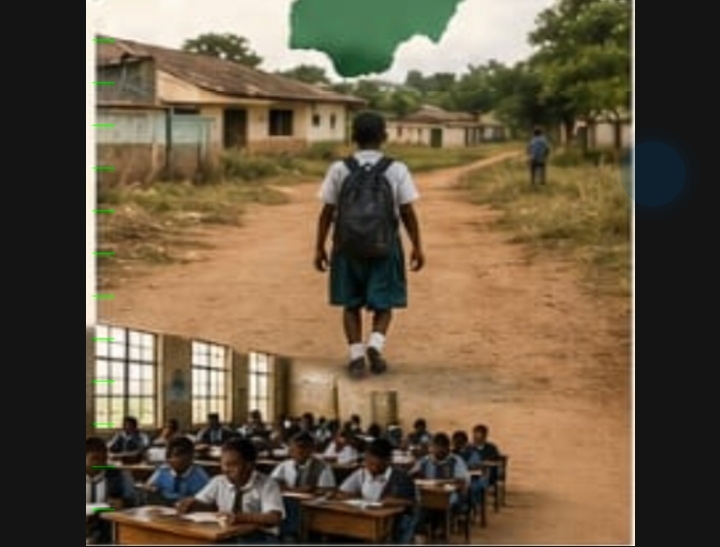
Growing disparities in access to quality education are increasingly shaping the future prospects of millions of Nigerian children, with experts warning that unequal learning opportunities continue to widen the gap between the privileged and the disadvantaged.
Education is widely regarded as a pathway out of poverty and a foundation for economic and social advancement. However, many children across Nigeria still face significant barriers to quality learning due to differences in location, family income, and access to educational resources.
While schools in urban and affluent communities often benefit from modern facilities, qualified teachers, technology, and conducive learning environments, many institutions in rural and low-income areas struggle with dilapidated classrooms, overcrowding, inadequate teaching materials, and poor access to electricity and internet services.
Stakeholders in the education sector have identified the shortage of qualified teachers as another major factor fueling inequality. Many underfunded schools find it difficult to attract and retain experienced educators, resulting in lower teaching standards and reduced academic outcomes for students.
The consequences of educational inequality extend beyond the classroom, affecting access to higher education, employment opportunities, and long-term financial stability. Students who receive poor-quality education often face difficulties meeting university admission requirements or competing effectively in the labour market.
Analysts say the situation has contributed to a cycle in which poverty is passed from one generation to another, as limited educational opportunities reduce social mobility and restrict the ability of young people to improve their economic circumstances.
Experts have called for increased government investment in public education, improved teacher training, better infrastructure, and equal access to learning resources. They maintain that ensuring every child has access to quality education, regardlessly of background or location, remains critical to building a more inclusive and prosperous Nigeria.
