
ANALYSIS
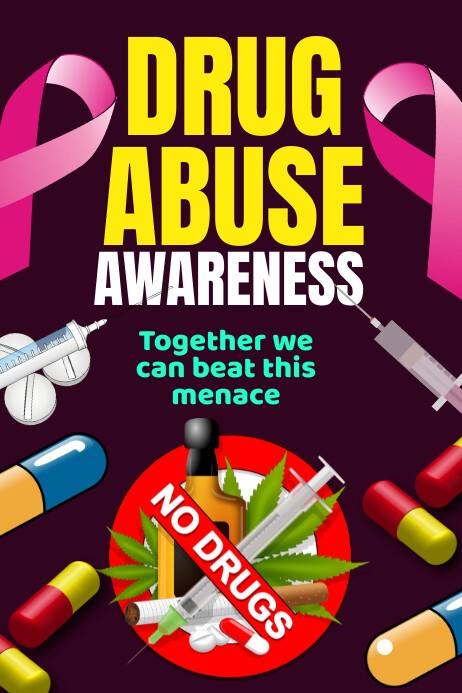
Reports of increasing drug and substance use among university students in Nigeria are raising serious concern among educators, health professionals, and campus administrators. What was once treated as a hidden or isolated issue is now becoming more visible across several institutions, prompting calls for urgent and coordinated intervention.
This development highlights a deeper problem within student life, one that connects academic pressure, mental health, peer influence, and weak support systems.
DIAGNOSING THE PROBLEM
Drug and substance use among students is no longer confined to secrecy. Observations from various campuses suggest that the use of alcohol, cigarettes, and other psychoactive substances is gradually becoming more present in student social spaces, including hostels, off campus gatherings, and informal meet ups.
For example, in some student environments, substance use is sometimes normalized within peer groups, making it appear less risky than it actually is. Over time, this normalization reduces awareness of the long term consequences and increases exposure among younger students.
CAUSES OF SUBSTANCE USE AMONG STUDENTS
Several interconnected factors contribute to this growing trend:
- Academic Pressure
The demand to meet academic expectations can become overwhelming. Some students resort to substance use as a coping mechanism to manage stress or fatigue, especially during examination periods.
- Peer Influence
Social acceptance plays a major role. Students may feel pressured to conform to group behaviour in order to fit in or maintain friendships.
- Curiosity and Experimentation
University life often represents independence for many young people. This freedom can lead some to experiment with substances without fully understanding the risks involved.
- Emotional and Psychological Stress
Issues such as anxiety, depression, financial stress, and personal challenges can also push students toward harmful coping strategies when proper support systems are lacking.

Accountability: Who Should Respond?
The rise in substance use among students cannot be attributed to a single group
- Responsibility is shared across several stakeholders:
University authorities, who are expected to provide guidance, counseling services, and preventive education
- Parents and guardians, who play a role in early value formation and ongoing emotional support
- Peer groups, which can either discourage or unintentionally encourage risky behaviour.
- Society at large, where increasing exposure to harmful lifestyles in media and social spaces influences youth behaviour
In many cases, the absence of strong preventive structures makes it easier for the problem to grow unnoticed until it becomes severe.
IMPACT ON STUDENTS AND ACADEMIC LIFE
Health professionals warn that substance use among students can have serious short term and long term consequences.
These include:
- Reduced concentration and poor academic performance
- Increased risk of addiction and dependency
- Mental health complications such as anxiety and mood disorders
- Disruption of academic progress, including absenteeism or withdrawal from school
For instance, a student struggling with substance dependence may begin missing lectures, losing focus on assignments, and gradually falling behind academically.
EFFORTS TOWARD AWARENESS AND INTERVENTION
In response to this growing concern, some institutions have introduced awareness campaigns, counselling services, and student support programs aimed at educating students on the dangers of substance use.
Student organizations and campus leaders are also being encouraged to promote healthier lifestyles and provide peer support systems for affected individuals.
However, the effectiveness of these interventions often depends on consistency, accessibility, and student participation.
RECOMMENDATIONS
A Collective Response
Addressing substance use on campuses requires coordinated action:
- Universities should strengthen counselling and mental health services
- Regular awareness campaigns and health education programs should be sustained
- Parents should maintain stronger communication and emotional support systems
- Student bodies should promote peer accountability and positive influence
Policies should focus on prevention, support, and rehabilitation rather than punishment alone.
FINAL THOUGHTS: BEYOND AWARENESS TO ACTION
The rise in drug and substance use on Nigerian campuses is not just a disciplinary issue, it is a public health and social concern that reflects deeper challenges faced by students.
While awareness is increasing, meaningful change will depend on early intervention, consistent education, and strong support systems within and outside the university environment.
Ultimately, protecting students requires more than warnings; it requires creating environments where healthy choices are not only encouraged but made accessible and sustainable.
