
A FEATURE
Many Nigerian students face difficulty when choosing between private and public universities. Both systems provide higher education, but students often experience different challenges, opportunities, and learning environments.
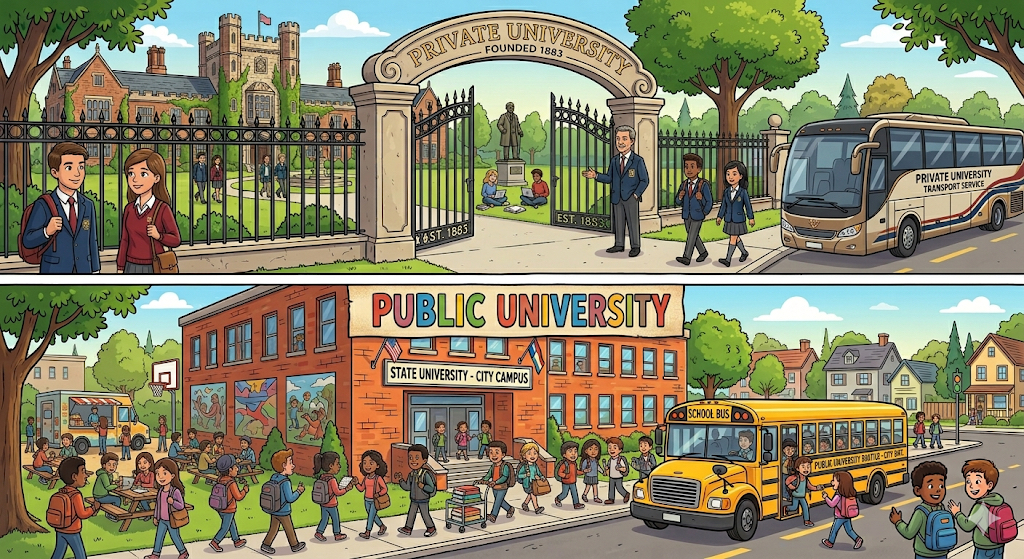
While some students prefer the structure and stability of private universities, others value the affordability and social diversity found in public institutions. These differences have created ongoing debates about which system offers a better university experience.
As a result, students and parents are often left comparing issues such as cost, quality of education, academic stability, facilities, and student welfare before making a decision.
One major cause of the differences between both systems is funding. Public universities are largely funded by the government, while private universities depend mostly on tuition fees paid by students.
Because of limited funding, many public universities struggle with overcrowded lecture halls, poor infrastructure, and insufficient learning resources. In contrast, private universities often provide better facilities because of higher tuition income.
Another factor is academic management. Private universities usually maintain stricter administrative systems and stable academic calendars, while public universities are more likely to experience strikes and delays.Student population also contributes to the situation. Public universities admit larger numbers of students, increasing pressure on facilities and resources, while private universities generally maintain smaller class sizes and more controlled learning environments.
The government is often criticized for inadequate funding and poor management of public universities. Many education observers believe insufficient investment has contributed to declining infrastructure and frequent disruptions in public institutions.University authorities are also sometimes blamed for failing to properly manage available resources and improve students’ welfare.
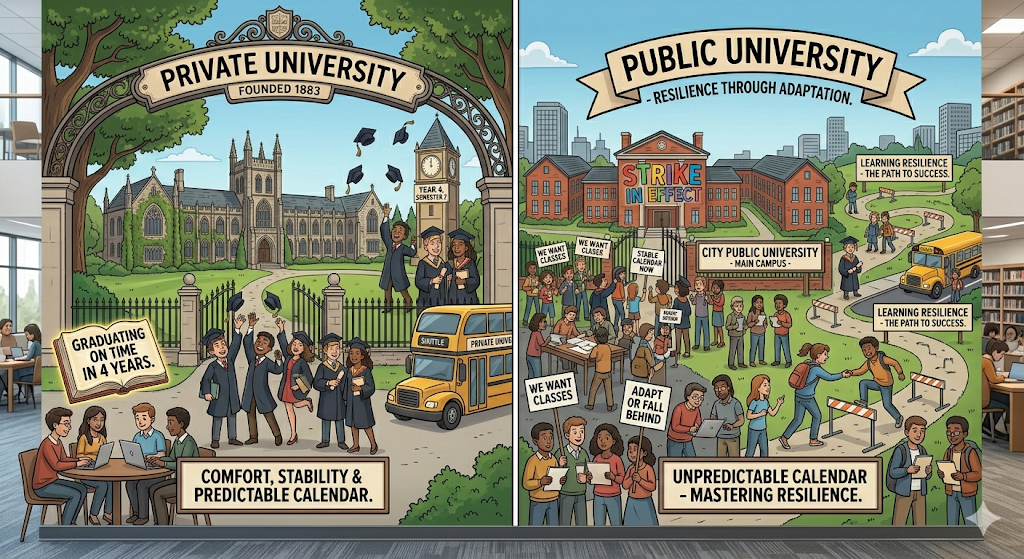
On the other hand, private universities are often criticized for charging high tuition fees, making quality education inaccessible to many Nigerian families.Parents and society also contribute indirectly by placing pressure on students to attend certain universities based on reputation rather than individual needs or financial realities.Education experts recommend increased government funding for public universities to improve facilities, staffing, and learning conditions.
There should also be stronger policies to reduce academic disruptions and strikes in public institutions.Private universities are encouraged to create more scholarship opportunities and flexible payment systems to make education more affordable for students from different economic backgrounds.
Students and parents should focus on choosing universities based on academic goals, career interests, affordability, and personal learning preferences rather than public opinion alone.
In addition, both private and public institutions should prioritize student welfare, mental health support, and quality teaching standards.
The debate between private and public universities continues to shape conversations about education in Nigeria. While private universities are often associated with stability and comfort, public universities are known for affordability, diversity, and resilience.
This raises important questions:
- Which university system better prepares students for life after graduation?
- Should quality education depend on financial status?
- Is the government doing enough to support public universities?
- Are private universities becoming too expensive for average Nigerian families?
As students continue to share their experiences, many believe the focus should not only be on whether a university is public or private, but on the quality of education and opportunities available to students.
