
FEATURE
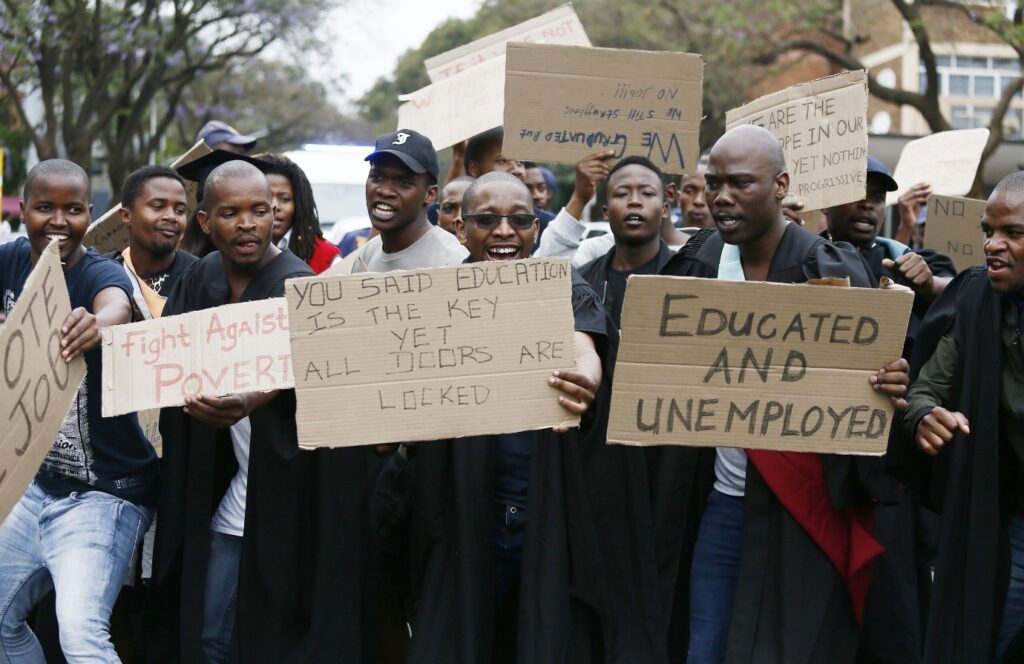
On Nigerian campuses, political conversations rarely begin loudly. They often start in low tones, between lectures, in hostel corridors, on WhatsApp group chats, or under shaded areas where students gather to escape the heat. Politics is discussed, but carefully. Words are chosen with caution, and opinions are often weighed against possible consequences. This growing tension between fear and freedom now shapes political discourse in many higher institutions.
However, this situation raises deeper concerns about the role of universities as spaces for critical thought and civic engagement.
DIAGNOSING THE PROBLEM: SILENCE IN SPACES MEANT FOR EXPRESSION.
Universities are traditionally expected to be environments of free thought, debate, and intellectual challenge. Yet on many Nigerian campuses, political expression is increasingly cautious and, in some cases, self restricted.
For example, a student may strongly disagree with national policies on education or fuel prices but choose not to speak openly in public discussions or online forums due to fear of backlash. This silence weakens the culture of open debate that universities are meant to promote.
Instead of becoming spaces where ideas are freely tested, some campuses are gradually becoming environments where opinions are filtered before being expressed.
CAUSES
Several factors contribute to this climate:
- Social Pressure and Labeling
- Students often fear being misunderstood or labeled based on their political opinions.
- Supporting or criticizing certain viewpoints can lead to division, isolation, or peer conflict.
- Digital Exposure and Permanence
With the rise of social media platforms such as X, Instagram, and WhatsApp, statements can easily be recorded, shared, and misinterpreted. A single post or comment can resurface later, making students more cautious about what they express.
- Perceived Institutional Sensitivity.
Even when not formally enforced, there is a widespread belief among students that political activism may attract attention from authorities or school management, leading to self censorship.
- Peer and Environmental Influence
Campus environments often reflect broader societal tensions. When political disagreements become heated, students may avoid discussions altogether to maintain peace.
Accountability:
The state of political expression on campus is influenced by multiple Factors:
- Society, which often treats political disagreement as conflict rather than dialogue
- Social media platforms, which amplify opinions but also increase fear of public backlash
- Institutional environments, where unclear boundaries around political expression can create uncertainty among students
- Students themselves, who sometimes choose silence to avoid controversy or confrontation
This shared responsibility highlights that the issue is not rooted in one group alone, but in the interaction between environment, technology, and social behaviour.
Where Freedom Still Exists
Despite these challenges, political expression has not disappeared from campuses. Instead, it has adapted.
Student unions, debate societies, campus media platforms, and informal discussion groups continue to serve as spaces for political engagement. In these settings, students discuss governance, economic challenges, tuition issues, unemployment, and social justice. For many students, these conversations are not abstract, they are directly linked to lived realities such as rising living costs and uncertainty about future opportunities.
Acts of Courage and Expression
Some students continue to express political views openly through opinion articles, podcasts, peaceful demonstrations, and campus discussions. These actions reflect a belief that democratic societies depend on active participation, even when it is uncomfortable.
For example, student led discussions on tuition fees or welfare policies often spark wider conversations about governance and accountability, showing that campus voices can influence broader public awareness.
Campus Politics Reflect the Wider Society
The political atmosphere on campuses does not exist in isolation. It mirrors the broader national environment. When public political space becomes tense or polarized, campuses tend to reflect the same tension. Conversely, when openness and tolerance for differing views increase, students often feel more confident to express themselves.
RECOMMENDATIONS STRENGTHENING OPEN DIALOGUE
To encourage healthier political engagement on campuses:
- Universities should actively promote freedom of expression within clear, safe guidelines
- Student bodies should encourage respectful debate rather than political hostility
- Campus media platforms should be strengthened to support balanced and responsible journalism
- Digital literacy programs should help students understand responsible use of social media in political discussions
Institutions should clearly communicate that peaceful political discussion is part of academic development
FINAL THOUGHTS: BETWEEN SILENCE AND EXPRESSION
Political conversations on campus today exist in a delicate balance between caution and courage. While fear has limited open expression in some spaces, freedom of thought still survives through dialogue, writing, and student engagement.
For universities to truly fulfill their purpose, they must not only educate minds but also protect the space for ideas to be expressed openly and responsibly. Only then can campuses move from quiet conversations to confident dialogue, shaping not just students’ perspectives, but the future of civic participation in society.
