
Personal eassay
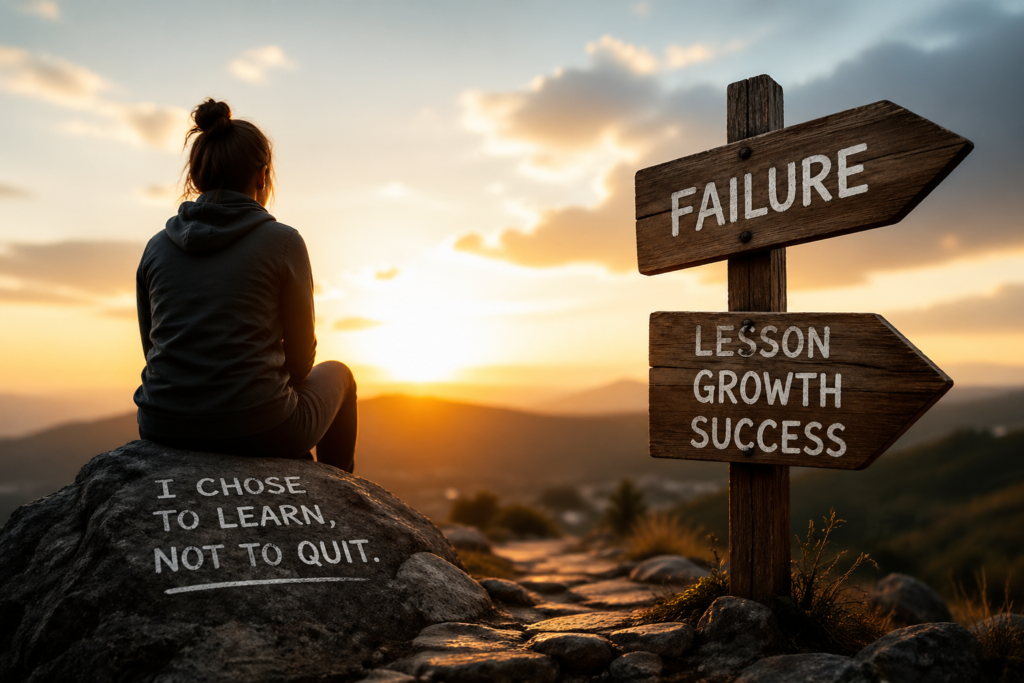
I used to think failure was something to avoid at all costs. To me, it was embarrassing. It was proof that I was not good enough. Whenever I imagined my future, I saw only success, good grades, recognition, and progress. I never imagined how much failure would shape me.
My real lesson began when I had 8 carry overs . I had convinced myself that I was prepared. I read my notes the night before, skimmed through textbooks, and felt confident walking into the exam hall. But when the results were released, my confidence collapsed. The grade I received did not reflect the image I had of myself. It felt like everyone could see my disappointment written across my face.
For days, I avoided talking about it. I compared myself to others who performed better. I questioned my abilities. I even began to wonder if I was truly capable of achieving my goals. Failure did not just affect my result; it affected my mindset.
At first, I blamed external factors. The questions were too tricky. The time was too short. The marking was too strict. But after the emotions settled, I had to confront the truth: I had mistaken familiarity for mastery. I had read, but I had not understood deeply. I had studied, but I had not studied strategically.
That realization was uncomfortable, but it was also freeing.
Instead of running from the feeling of failure, I decided to study it. I began asking myself hard questions. What went wrong? Where did I lose focus? What habits needed to change? Slowly, I shifted from self-pity to self-improvement.
I created a realistic study schedule. I started practicing past questions instead of only reading notes. I asked questions in class, even when I felt shy. I learned to prepare consistently rather than cramming at the last minute. More importantly, I stopped seeing failure as a final verdict on my intelligence.
Managing failure did not mean I suddenly became perfect. It meant I learned to respond differently. When I face setbacks now, I pause instead of panicking. I reflect instead of blaming. I adjust instead of quitting.
Failure taught me resilience. It taught me discipline. It taught me that growth is often uncomfortable. Most importantly, it taught me that falling is not the problem staying down is.
Dreams Don’t Work Unless You Do I used to spend a lot of time thinking about the life I wanted, but not enough time taking action to make it happen. I waited for the “right time,” but the truth is, there’s no such thing as the perfect moment. You have to create your opportunities.
Instead of waiting for the right moment, I started taking small actions every day toward my goals. I didn’t wait until I felt ready. I just started. Over time, those small actions led to big results.
Stop waiting for the right time. The right time is now. Whether it’s starting a new project, pursuing a passion, or making a major life change, take action. You don’t have to know everything, you just need to get started.
In conclusion
Looking back, I realize that failing was the best thing that ever happened to me. Each failure brought with it a lesson, and each lesson made me stronger. Today, I’m more resilient, more confident, and more willing to take risks because I’ve learned that failure isn’t something to fear, it’s something to embrace.
No matter where you are in life, remember that your journey is uniquely yours. Don’t be afraid to make mistakes, take risks, and step outside your comfort zone. The lessons you learn along the way will shape you into the person you’re meant to become.
So here’s to failure. And to the incredible lessons it brings.
