
ANALYTICAL ARTICLE
Many students have brilliant ideas but struggle to express them in public. In classrooms and group discussions, there is often a noticeable difference between students who speak confidently and those who remain silent despite having meaningful contributions to make.
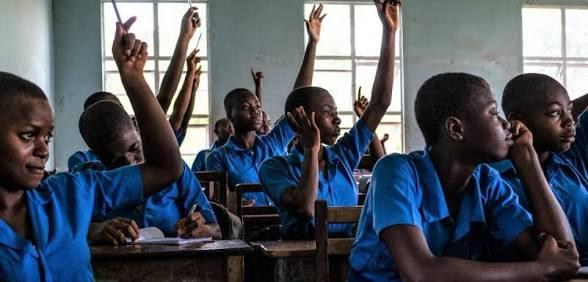
Shyness is frequently mistaken for a lack of intelligence or preparation. However, in most cases, it stems from fear of making mistakes, being judged by others, or attracting attention. This fear can prevent students from participating actively in academic and social activities, causing their opinions and talents to go unnoticed.
The consequences of this challenge go beyond the classroom. Students who rarely speak up may miss opportunities to develop leadership qualities, build networks, and gain confidence in their abilities. Over time, this can affect their personal growth and readiness for future careers where communication skills are highly valued.
One major cause of shyness is limited exposure to public speaking and interactive environments. Students who are not encouraged to express themselves may find it difficult to develop confidence. Negative experiences, such as criticism or embarrassment, can also discourage participation.
Despite these challenges, confidence in speaking can be developed. Participating in class discussions, joining student organizations, and engaging in presentations are practical ways to improve communication skills. Preparation is equally important, as students who understand their topics well are more likely to speak with confidence and clarity.
In today’s world, effective communication is essential for academic success, leadership, and career advancement. For this reason, students must be encouraged to overcome their fears and embrace opportunities to express themselves. With consistent practice and determination, a shy student can gradually become a confident speaker whose ideas inspire and influence others.
Echoes of a Generation
