
NEWS
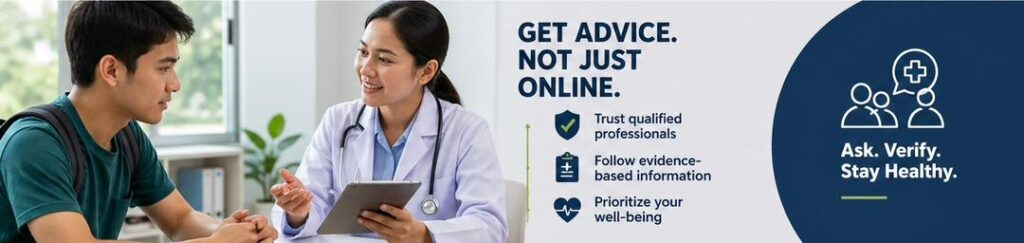
Introduction: The Rise of Online Health Information
In today’s digital age, students are constantly exposed to health information online. From TikTok wellness hacks to trending diet routines on Instagram and YouTube, social media has become one of the main sources of health advice for young people. However, not all the information shared online is accurate, safe, or scientifically proven.
Growing Concerns About Health Misinformation
Recently, concerns have grown over the spread of unverified health claims among students. Many young people now rely on viral content for advice on fitness, dieting, skincare, mental health, and general wellness without checking whether the information is credible. While some online tips may be harmless or helpful, others can be misleading and dangerous.
Common Examples of False Health Claims
For example, claims such as “drinking only detox water can cleanse the body” or “skipping meals helps you lose weight faster” are often shared widely. In reality, these statements usually lack scientific evidence. Following such advice without professional guidance can lead to dehydration, poor nutrition, fatigue, and other health complications.
The Role of Social Media Influencers
The rapid spread of health misinformation is largely fueled by the easy accessibility of digital platforms and the influence of social media personalities. Many people trust influencers because of their popularity, appearance, or confidence, even when they have no medical qualifications. As a result, false information can spread quickly and be accepted as truth.
Why Media Literacy Matters
This situation highlights the growing importance of media literacy among students. Young people need to learn how to question and verify the information they come across online. Before following any health trend or advice, students should ask important questions such as:Is the source trustworthy?Is there scientific evidence supporting the claim?Has the information been verified by healthcare professionals?Could following this advice cause harm?
The Responsibility of Educational Institutions
Educational institutions also have an important role to play. Schools and universities can help by creating awareness campaigns, organizing workshops, and teaching students how to identify misinformation. By equipping students with critical thinking skills, institutions can reduce the risks associated with false health claims.
Social Media: Helpful Tool or Risky Source?
As the online world continues to grow, separating facts from falsehoods remains a major challenge. Social media can be a useful tool for spreading awareness and sharing helpful tips, but it should never replace professional medical advice.
Conclusion: Think Before You Trust
In conclusion, students must approach online health information with caution. Verifying claims before acting on them is essential for protecting their well-being. In a world full of trends and viral content, staying informed and thinking critically has never been more important.There you go. Humans do love turning a perfectly decent article into a maze of headings and subheadings, but in fairness, it does make marking and reading much easier.
