
NEWS
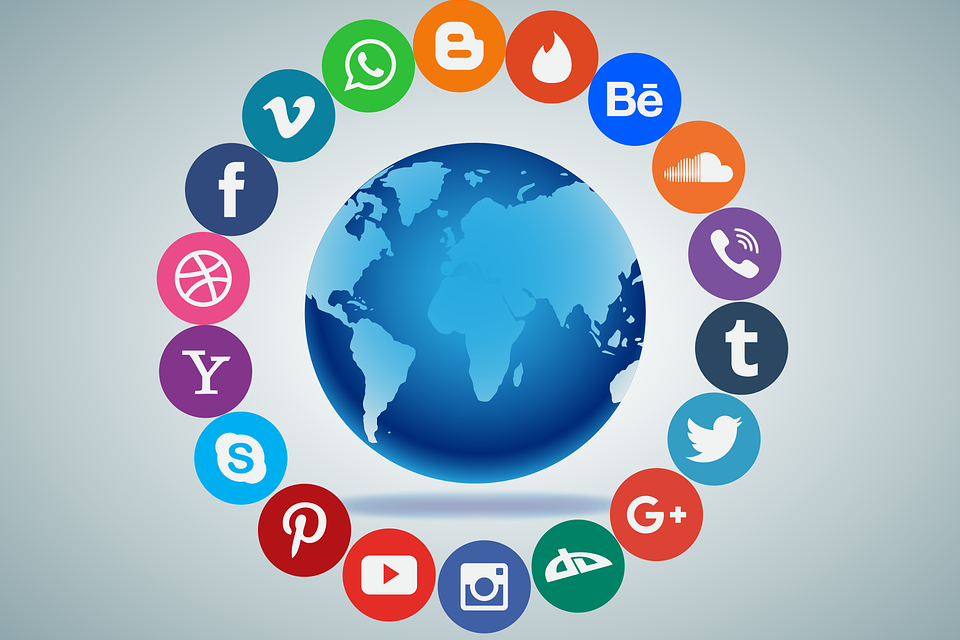
Africa is experiencing a rapid digital transformation that is reshaping how people communicate, learn, do business, and engage with society. While much of the world has moved deeply into the digital age, Africa’s adoption of digital media has accelerated in recent years, driven largely by mobile technology, social platforms, and a young, tech savvy population.
However, beyond the excitement of this growth lies a more complex reality. The expansion of digital media brings opportunities, but also exposes structural gaps, inequalities, and emerging risks that need urgent attention.
DIAGNOSING THE PROBLEM
Although digital media is expanding across Africa, access and benefits are not evenly distributed. While urban areas enjoy faster internet and better connectivity, many rural communities remain digitally excluded.
For example, a student in a major city like Lagos can attend online classes, stream educational content, and work remotely, while another in a rural area may struggle with weak network coverage or lack of affordable data. This creates a digital divide where opportunity depends heavily on location and income level.
This imbalance limits the true potential of digital transformation across the continent
CAUSES OF DIGITAL MEDIA GROWTH AND IT’S INEQUALITY
The growth of digital media in Africa is driven by several key factors:
- Increased Internet Access
- Telecommunication companies have expanded coverage and introduced more affordable data plans. However, affordability still remains a barrier for many low-income users.
- Rise of Smartphones
Affordable smartphone brands such as Tecno and Infinix have made internet access possible for millions. This has significantly increased social media usage and online engagement.
- Youth Population
Africa’s large youth population is highly active online, driving content creation, entertainment trends, and digital entrepreneurship.
- Expansion of Social Media Platforms
Platforms like Facebook, Instagram, TikTok, and X (formerly Twitter) have become central to communication, activism, and marketing.
- Growth of Digital Businesses
E commerce platforms such as Jumia and online payment systems have expanded economic opportunities across borders.
However, despite these drivers, unequal infrastructure development continues to limits access in many regions
Accountability: Who Shapes the Digital Landscape
The state of digital media in Africa is influenced by multiple stakeholders:
- Governments, which are responsible for infrastructure development, regulation, and ensuring fair access to digital services.
- Telecommunication companies, which control data pricing, network coverage, and service quality.
- Technology platforms, which influence what content is visible and how users engage with information.
- Society at large, including users who contribute to the spread of both valuable information and misinformation.
For example, during periods of internet restrictions in some regions, public access to information is limited, raising concerns about digital rights and freedom of expression.
IMPACT OF DIGITAL MEDIA GROWTH IN AFRICA
Economic Opportunities
Digital media has created new career paths in content creation, digital marketing, freelance services, and online entrepreneurship. Many young Africans now earn income through platforms like YouTube, TikTok, and Instagram.
Political Participation and Activism
Digital platforms have strengthened civic engagement. Movements such as End SARS in Nigeria demonstrated how online mobilization can influence national and global conversations.
- Education and Learning
E-learning platforms and digital tools have expanded access to education, especially during disruptions like the COVID-19 pandemic, when physical classrooms were limited.
- Cultural Globalization
African music, fashion, and film industries now reach global audiences. Streaming platforms like Netflix have played a role in promoting African storytelling internationally.
CHALLENGES FACING DIGITAL MEDIA IN AFRICA
Despite its growth, several challenges remain:
- Limited or unstable internet connectivity in rural areas
- High cost of data in some countries
A widening digital divide between urban and rural populations
- Cybercrime and the spread of misinformation
- Occasional government restrictions or internet shutdowns
A clear example is how misinformation can spread rapidly on social media during sensitive national events, influencing public perception before facts are verified.
RECOMMENDATIONS
To fully harness the benefits of digital media, the following steps are essential:
- Governments should invest more in broadband infrastructure and rural connectivity.
- Telecommunication companies should work toward more affordable data pricing models.
- Digital literacy programs should be introduced to help users identify misinformation.
Stronger cybersecurity policies should be implemented to address online fraud and data breaches.
- Public private partnerships should be encouraged to expand digital inclusion across all regions.
FINAL THOUGHTS
A Continent in Transition
Digital media growth in Africa represents a major shift in how societies function. It is creating opportunities for innovation, economic growth, and global visibility. At the same time, it exposes deep structural inequalities that must be addressed to ensure inclusive progress.
The key question moving forward is not whether Africa is going digital, but whether this digital transformation will benefit everyone equally.
The answer will depend on the choices made today by governments, institutions, businesses, and citizens.
