
AN EXPLAINER
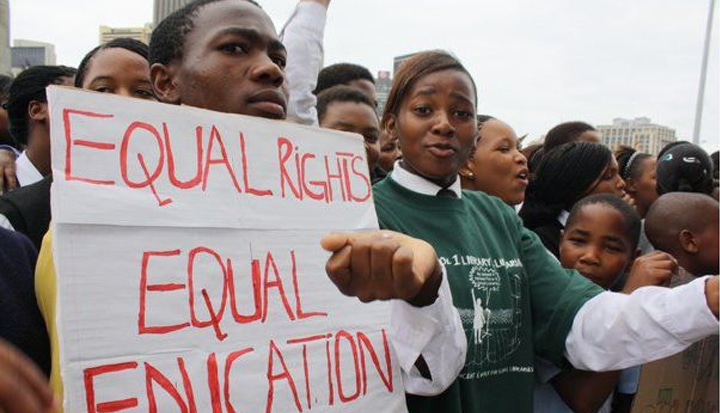
Civic education is designed to prepare students to become responsible citizens. It teaches young people about their rights, duties, and how government works. In a democratic country like Nigeria, this subject plays an important role in helping students understand how they can contribute to society and national development.
But an important question remains: are students really learning enough or just passing through the subject?
Examples:
In recent years, social media has highlighted worrying gaps in civic understanding among young people.
We’ve seen viral street interviews where students and graduates struggle to explain basic concepts like:
- “Who is the head of the local government?”
- “What does the constitution do?”
- “What are your civic rights as a citizen?”
Some clips have gained thousands of views, often shared with humor but they reveal a deeper issue: many young Nigerians are completing school without fully understanding how their country works.
At the same time, viral civic awareness moments also exist like youth-led voter education campaigns during elections, or students organizing debates on governance issues. These examples show that when civic education is done right, it can produce informed and engaged citizens.
The contrast raises an important concern: why is there such a gap between civic knowledge in theory and civic understanding in real life?
Civic education exists in the curriculum, but its impact is often weak. The problem is not its presence but its delivery.
In many schools, students can define democracy, rule of law, and citizenship, but cannot explain how these ideas affect their daily lives.
So the real issue is:
Civic education is being taught, but not fully understood or applied.
The Causes:
The problem runs deeper than just boring classes. Many schools teach the subject only on paper. There’s little room for debates, mock elections, or community projects that would make the knowledge stick. Teachers are often overloaded or not properly trained in civic education, while schools lack basic materials to make lessons lively.
Who is Responsible:
The blame starts at the top. The Ministry of Education and curriculum planners have allowed civic education to remain theoretical for too long. Successive governments have failed to prioritize practical citizenship training, even as they talk about “building future leaders.” School administrators and some teachers also share responsibility when they treat the subject as a “fill-in” lesson rather than a core life skill. Parents, too, sometimes focus only on Math’s and English, downplaying civic knowledge.
The Solution:
Nigeria needs a fresh approach
•Make civic education practical with regular debates, school elections, and local community service.
•Train teachers specifically in interactive methods and provide updated materials.
•Introduce real-life case studies like analyzing #EndSARS or current national issues in a balanced way.
•Partner with civil society groups to bring guest speakers and field trips.
When students practice democracy in school, they are more likely to demand it as adults.
Conclusion
Civic education in Nigeria is present, but often incomplete in impact. Students are taught what citizenship means, but not always how to practice it.
If civic education remains theoretical, students may continue to pass exams without truly understanding their role in society.
But when it becomes practical and engaging, it can shape a generation that is not only educated but also active, informed, and responsible.
Young Nigerians already show strong interest in governance through social media and protests. The right education can turn that energy into informed, constructive participation.
Join the Conversation
- Should civic education be made more practical than theoretical?
- Why do many students know definitions but struggle with real civic knowledge?
- What can schools do to make civic education more engaging?
Share your thoughts below.
