
AN INTERVIEW
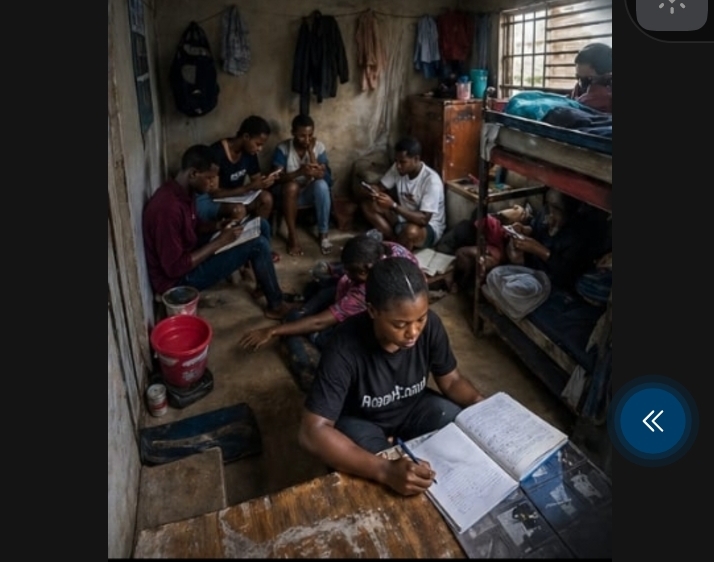
Thousands of students across Nigerian universities are increasingly being forced to seek accommodation outside their campuses as hostel shortages continue to worsen, raising concerns over rising living costs, insecurity, and declining welfare among undergraduates.
Investigations across several federal and state-owned institutions reveal that available hostel facilities can no longer cater to the growing student population, leaving many students with no option but to rent apartments and private hostels in surrounding communities.
The situation is particularly evident at Bamidele Olumilua University of Education, Science and Technology, where a significant number of students now reside outside in nearby communities such as Nitel and Idi-Ishin due to insufficient on-campus accommodation.
Some students described the struggle to secure hostel spaces as frustrating, noting that the limited facilities available are often overcrowded. In many institutions, rooms originally designed for four occupants reportedly accommodate between 10 and 15 students, placing pressure on water supply, electricity, and sanitation facilities.
A similar challenge exists at Federal University Oye-Ekiti, where many students live off campus and face increasing expenses on rent and transportation. Students say the financial burden and daily commuting often affect their academic performance and overall well-being.
At Ekiti State University, hostel shortages have also driven students into private accommodation, despite concerns about higher living costs. While some students prefer off-campus housing because it offers greater privacy and independence, many complain that landlords frequently increase rents without corresponding improvements in facilities.
University administrators have attributed the accommodation crisis to rising enrolment figures and inadequate infrastructure development. Although some institutions have partnered with private investors to construct additional hostels, the growing demand for student housing continues to outpace supply.
Education stakeholders warn that the trend could have long-term implications for campus life, as students living off campus face challenges ranging from insecurity and transportation difficulties to unsuitable living conditions that may affect their studies.
