
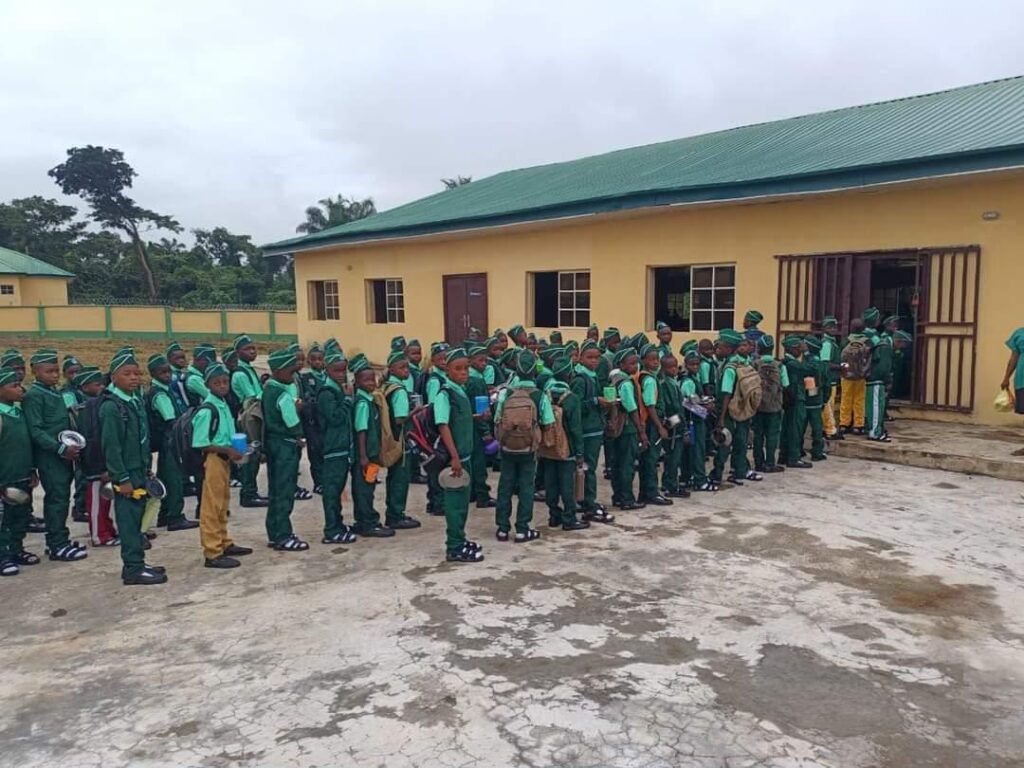
ADO-EKITI — Behind the sound of school bells and the excitement of a new academic session lies a question that deserves closer attention: are investments in education translating into better learning conditions for students across Ekiti State?The question comes as schools across Ekiti reopened for the 2026/2027 academic session on September 14, with the state government renewing its commitment to improving teaching and learning.
The Ekiti State Universal Basic Education Board (SUBEB) has also recently launched its 2026 enrolment campaign, encouraging parents to send school-age children to school. The campaign includes community mobilisation and registration activities aimed at addressing the challenge of children being left outside the formal education system.But getting children into classrooms is only one part of the education challenge.Once they arrive, what do they find?
THE INVESTMENT QUESTION
Government officials have highlighted investments in classroom construction and renovation, furniture, instructional materials, digital learning resources and teacher development.These investments are important because the quality of a child’s learning environment can influence attendance, participation and academic outcomes.However, public announcements of investment do not by themselves establish how much infrastructure has actually been completed, how many schools have benefited, or whether the resources are reaching the students who need them most.That is where stronger public monitoring becomes necessary.
WHAT HAPPENS AFTER THE ANNOUNCEMENT?
An effective investigation should go beyond government statements and examine the evidence on the ground.Schools can be visited to document the condition of classrooms, availability of desks, learning materials, electricity, water and sanitation facilities. Teachers, parents and students can also be interviewed about their experiences.
Government budget documents and procurement records can provide another layer of evidence by showing what was allocated, what was purchased and what projects were reported as completed.Where discrepancies are discovered, the responsible agencies should be given an opportunity to respond before publication.
THE HUMAN COST
For a child, inadequate educational facilities are not simply statistics.A student studying in an overcrowded classroom may struggle to concentrate. A lack of instructional materials can make lessons more difficult. Poor facilities may also discourage regular attendance. At the same time, enrolling more children without ensuring adequate teachers, classrooms and learning resources could place additional pressure on existing schools.This makes the current enrolment campaign particularly important. As Ekiti encourages more children to enter school, the capacity of schools to accommodate them must also be examined.
THE WAY FORWARD
Education advocates and government officials face a common challenge: ensuring that money allocated to education produces measurable improvements in the classroom.
For journalists, the responsibility is to follow the money, inspect projects, speak with beneficiaries and compare official claims with evidence.The success of an education programme should ultimately be visible not only in government documents but also inside the classroom — where students learn and teachers teach.
As Ekiti begins another academic year, the question is therefore not simply how much is being spent on education.It is what students are getting for it.
