

FEATURE
INTRODUCTION
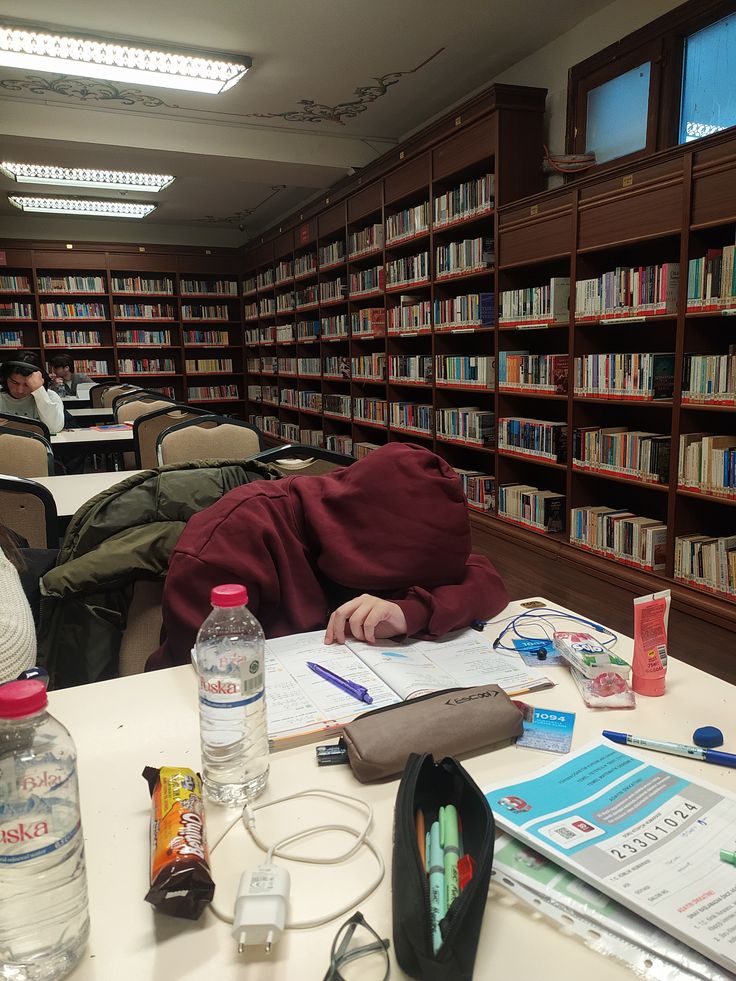
Stress has become a major part of student life in many Nigerian universities. From academic pressure to financial struggles, students face different challenges that affect both their mental health and academic performance. As students strive to meet academic expectations while managing personal responsibilities, stress continues to be a significant concern within university communities.
CAUSES OF STRESS AMONG STUDENTS
For many students, deadlines, assignments, tests, and examinations create constant pressure. Some also struggle with balancing school activities, personal responsibilities, and part-time jobs. As stress increases, concentration and productivity often decrease, making it difficult for students to perform at their best.
EFFECTS OF STRESS ON ACADEMIC PERFORMANCE
Health experts explain that excessive stress can affect memory, sleep patterns, and emotional stability. Students who experience stress regularly may become tired, anxious, or unmotivated toward school activities. In some cases, stress leads to poor academic performance and low participation in class.
IMPACT ON STUDENTS’ WELL-BEING
Beyond academics, stress can negatively affect students’ overall well-being. Emotional exhaustion, lack of motivation, and difficulty concentrating can make daily activities more challenging. When stress is not properly managed, it can influence both academic success and personal development.
COPING STRATEGIES USED BY STUDENTS
However, students are finding ways to cope. Some create study schedules, join supportive friendships, exercise regularly, or take short breaks to rest their minds. These strategies help students manage their workload and maintain a healthier balance between academic and personal life.
THE ROLE OF COUNSELING AND MENTAL HEALTH AWARENESS
Counseling services and mental health awareness campaigns in schools are also helping students understand the importance of managing stress. These initiatives encourage students to seek support when needed and promote healthy approaches to dealing with academic pressure.
CONCLUSION
While stress may not completely disappear from academic life, learning healthy ways to manage it can improve both performance and overall well-being among students. By adopting effective coping strategies and utilizing available support systems, students can better navigate academic challenges and achieve their educational goals.
