
AN OPINION
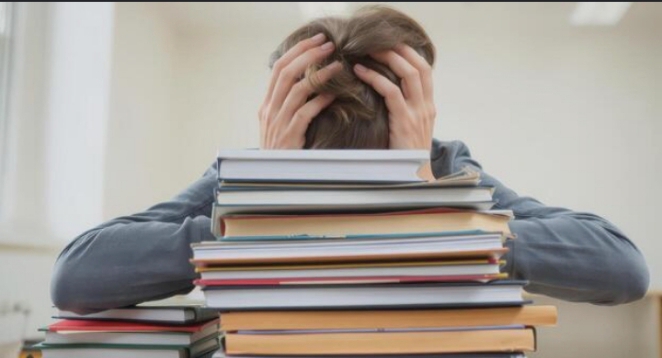
Academic failure is a difficult experience that many students face at different stages of their education. Failing an exam, performing poorly in class, or not meeting expectations can lead to disappointment, stress, and loss of confidence. However, the way students respond to academic failure often determines their future success.
One common way students handle academic failure is through self-reflection. After experiencing poor performance, many students try to identify the reasons behind their failure. Some may realize they lacked proper preparation, effective study habits, or time management. This reflection helps them understand their weaknesses and improve.
Support from family, friends, and teachers also plays an important role. Encouragement from loved ones can help students regain confidence and motivation. Teachers and mentors often guide students by providing academic advice, extra lessons, or emotional support to help them move forward.
Some students respond to failure by working harder. They become more disciplined, create study schedules, attend tutorials, and practice consistently. Academic failure sometimes serves as a lesson that pushes students to become more focused and determined. On the other hand, some students struggle emotionally after failure. They may experience fear, anxiety, low self-esteem, or even depression. In severe cases, students may begin to doubt their abilities or lose interest in school completely. This is why emotional support and counseling are very important in educational environments.
Positive thinking and resilience are essential in overcoming academic setbacks. Many successful people experienced failure before achieving greatness. Students who understand that failure is temporary are more likely to recover quickly and continue striving for improvement.
Schools can also help students manage academic failure by creating supportive learning environments. Rather than criticizing students harshly, educators should encourage growth, patience, and continuous learning. Academic failure should be treated as an opportunity for improvement rather than the end of success.
In conclusion, students handle academic failure in different ways depending on their mindset, support system, and determination. While failure can be painful, it can also become a valuable learning experience that builds resilience, maturity, and future success.
