
EXPLAINER
INTRODUCTION
In today’s fast-changing media landscape, the study of journalism goes far beyond learning how to write news stories. Journalism education now combines theory, ethics, technology, and practical experience. While classroom learning provides the foundation, practical skills determine how effectively graduates can perform in the media industry.
THE ROLE OF JOURNALISM EDUCATION
Journalism education introduces students to important concepts such as news values, media ethics, reporting techniques, and the role of the press in society. These lessons help students understand how to verify information, report responsibly, and operate within legal and ethical boundaries. This theoretical knowledge is essential because it guides journalists in making informed and responsible decisions.
IMPORTANCE OF PRACTICAL SKILLS
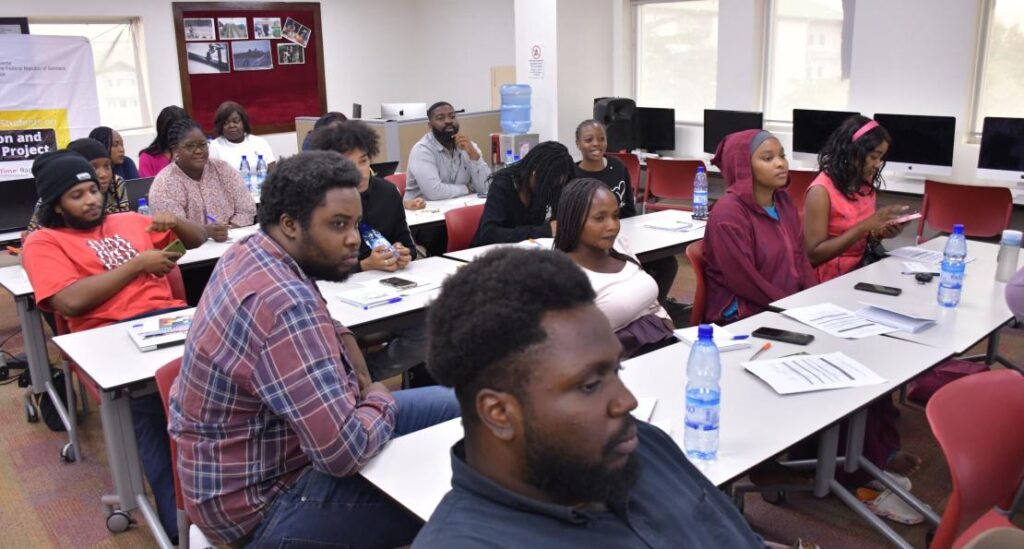
Practical skills are what transform classroom knowledge into real-world competence. Activities such as interviewing, field reporting, multimedia production, and digital storytelling allow students to apply what they have learned. Through hands-on experience, aspiring journalists develop confidence, accuracy, and professionalism in their work.The growth of digital media has also expanded the skills required in journalism. Modern journalists are expected to work with social media platforms, video editing tools, podcasts, and data-driven reporting. As news continues to move across digital platforms, journalism education must provide students with opportunities to develop these essential skills.
CHALLENGES AND THE NEED FOR ADAPTABILITY
One of the major challenges in journalism education is the gap between classroom teaching and industry practice. In many institutions, limited resources and outdated curricula make it difficult for students to gain adequate practical experience. Internships, campus media outlets, and partnerships with media organizations can help bridge this gap and better prepare students for professional work.In addition, the media industry is constantly evolving. Journalism students must be adaptable, creative, and willing to learn new technologies and methods of storytelling. Critical thinking and problem-solving skills are becoming increasingly important in a rapidly changing media environment.
CONCLUSION
Journalism education and practical skills are closely connected and equally important. While theory provides the knowledge and ethical foundation needed for responsible journalism, practical skills ensure that journalists can effectively apply that knowledge in real situations. A balanced combination of both prepares graduates to meet the demands of modern journalism and contribute meaningfully to society.
