
AN EXPLAINER
Core problem
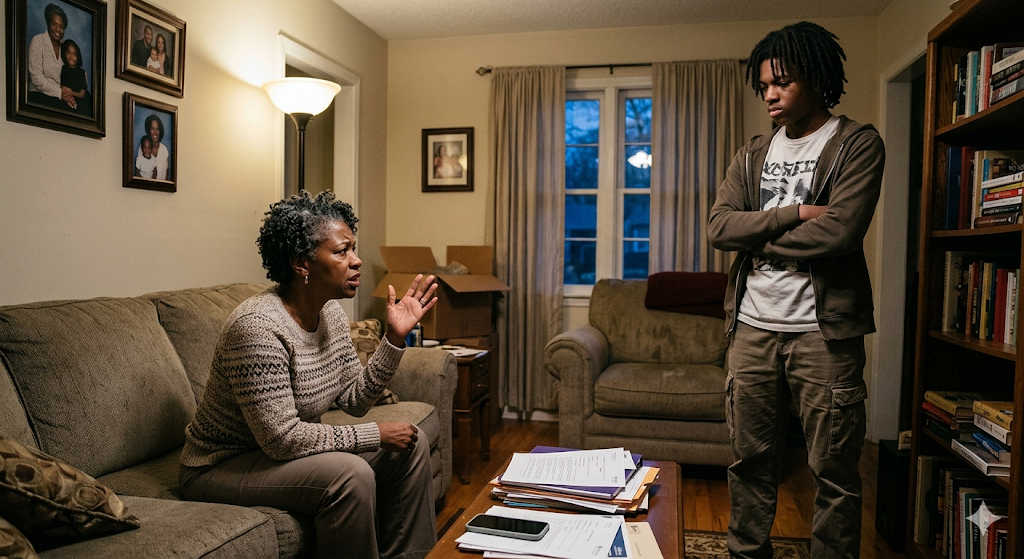
A painful generational disconnect in Nigerian families, where parents and youths interpret the same cultural values (respect, success, duty) through radically different historical lenses. This turns everyday decisions, career choice, marriage timing, dress, speech into emotional battlegrounds.
Youths feel suffocated and underestimated. Parents feel disrespected and anxious that hard-won values are being erased. Communication deteriorates into accusations (“You are disrespectful” vs. “You don’t understand my life”).Both sides lose the potential benefit of each other’s strengths (wisdom and innovation).
Cause
Asymmetric life experiences Parents grew up under military rule, economic scarcity, and rigid social structures where survival depended on obedience and predictability. Youths grew up with global internet access, freelance economies, and identity exploration.
Different definitions of success Parents prioritize government jobs, degrees, marriage by a “right age,” and family-name security. Youths prioritize passion, tech, creative industries, flexibility, and personal freedom.Technological disruption Social media and smartphones didn’t just change tools they changed values, role models, and what feels “normal” or aspirational.
Emotional identity investment Parents see youth independence as rejection of family sacrifice. Youths see parental concern as control. Neither side initially separates intent from impact.
No neutral spaces for dialogue Conversations happen at home under pressure or during conflict, not in structured community or school settings where both sides can listen without blame.
Actor Responsibility
Parents Accountable for explaining the values behind rules (love, fear of failure, protection) rather than giving ultimatums. Also accountable for recognizing when old rules no longer fit new realities.
Youths Accountable for presenting their plans clearly, backing them with serious action, and showing respect for past lessons even when disagreeing.
Elders / extended family Accountable for not fueling friction by taking sides or using shame (“in my time…”) without understanding context.
Schools and religious/community institutions Accountable for creating structured intergenerational dialogues, mentorship programs, and workshops on conflict transformation.
Media & influencers Accountable for not sensationalizing “war of generations” and instead showcasing successful bridging stories.
Solution Action steps
From ultimatums to storytelling (parents) Parents share why a rule existed (e.g., “We feared hunger because we saw professionals without degrees struggle”). Not to force obedience, but to invite understanding.From rebellion to demonstration (youths) Youths don’t just demand freedom; they prove capability (e.g., build a small freelance portfolio, show a business plan, take a short course) before asking for full trust.
Family “listening agreements” Set a rule: no blame in first 10 minutes of a hard conversation. Use “I feel…” instead of “You always…”
Intergenerational mentoring in communities Churches, mosques, town unions, and schools host sessions where older adults mentor youths and youths mentor adults on digital skills mutual exchange of value.
Success story campaigns Share real Nigerian families where a tech child and a civil-service parent found common ground. Normalize flexibility.
Youth-led “respect projects” Youths interview parents about one old rule that actually protected them, then present it back. Shifts tone from opposition to curiosity.
For parents: What is one old rule you once swore you would never break, but today you quietly admit might need rethinking?
For youths: What is one thing your parent worries about that you now realize is not just “control” but actual fear for your future?
You don’t have to agree on everything. But you do have to stop calling each other disrespectful or clueless long enough to hear the fear and the hope underneath. Try that for seven days. Then come back and tell us what shifted.
