
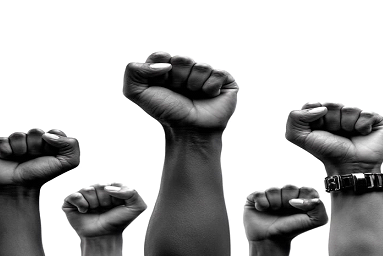
Youth activism refers to the involvement of young people in promoting social, political, and economic change in society. It involves speaking out, organizing actions, and using different platforms to address issues affecting their communities. Youth activism can happen both online and offline, and it is often driven by the desire to create a better and fairer society.
In Nigeria, youth activism has played a major role in shaping public conversations and demanding accountability from leaders. One of the most notable examples is the End SARS protest of 2020, where Nigerian youths protested against police brutality. The movement gained massive attention through social media platforms such as Twitter (now X), Instagram, and Facebook, where hashtags like #EndSARS were widely used to mobilize support and share information.
Another example is youth involvement in campaigns against corruption and bad governance. Many young Nigerians use Twitter (X) to call out government policies, share civic education content, and demand transparency from public officials.
Youths have also been active in environmental and social awareness campaigns. Platforms like Instagram and TikTok are used to create short videos that educate people about climate change, education issues, and civic responsibilities.
In addition, student unions across Nigerian universities engage in offline activism such as peaceful protests and negotiations with school authorities, often supported by coordination through WhatsApp groups and online forums.
Social media has made it easier for Nigerian youths to organize, share information, and reach large audiences quickly. Hashtags, viral videos, and online campaigns have helped bring national and international attention to local issues. This digital space has become a powerful tool for raising awareness and putting pressure on leaders to respond.
Beyond speed and reach, online activism also gives young people a sense of voice and visibility. It allows those who may not have access to traditional power structures to express their opinions and join national conversations. It also helps different youth groups connect and unite around common issues, strengthening collective action.
Despite these achievements, some people believe that not all online activism leads to real change. They argue that while many youths actively engage online, the impact is sometimes limited when actions do not move beyond social media. Issues like misinformation and short lived attention to trends can also reduce the effectiveness of online activism.
However, youth activism in Nigeria shows that online engagement often leads to real life action. The End SARS movement is a clear example where online awareness led to nationwide protests and global attention.
In addition, many young people continue their activism beyond the internet by joining community projects, advocacy groups, and civic programs. Some also participate in voter education, leadership training, and grassroots initiatives that focus on solving real community problems. These actions show that online activism can be a starting point for deeper involvement in society.
Conclusion
Youth activism in Nigeria is both digital and physical. While social media plays a major role in raising awareness and mobilizing support, real change happens when online actions are supported by offline efforts. Therefore, youth activism is not just online noise, but a growing force for social transformation when properly channeled.
