
AN EXPLAINER
Higher education plays a major role in national development. Around the world, universities are ranked based on research output, teaching quality, innovation, and global impact. However, Nigerian universities often struggle to appear among top global rankings. This raises an important question: why is this the case?
This article explains the key reasons Nigerian universities face challenges competing on the global stage.
- Inadequate Funding
One of the biggest challenges is poor funding. Many Nigerian universities rely heavily on government allocations, which are often insufficient.
• Research projects lack proper financial support
• Facilities such as laboratories and libraries are outdated
• Staff salaries are sometimes delayed
Without enough funding, universities cannot invest in modern infrastructure or attract top talent.
2. Frequent Strikes and Academic Disruptions
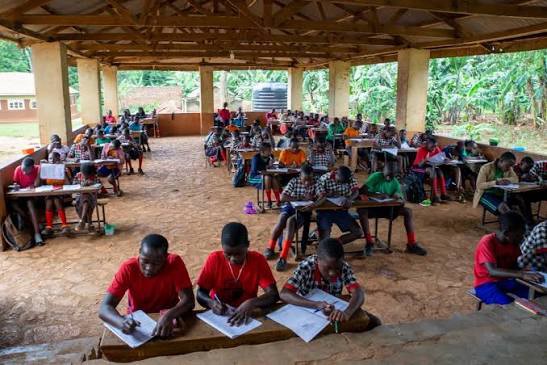
Academic activities in Nigeria are often interrupted by strikes, especially by lecturers’ unions.
• Students experience delayed graduation
• Academic calendars become unstable
• Learning continuity is disrupted
This instability affects the reputation of Nigerian universities internationally.

3. Outdated Curriculum
Many Nigerian universities still use outdated curricula that do not match global standards or current industry needs.
• Limited focus on practical skills
• Lack of modern technological integration
• Weak connection between theory and real-world application
As a result, graduates may struggle to compete globally in the job market.

4. Poor Research Output
Globally ranked universities are known for strong research contributions. Nigerian universities face challenges such as:
• Limited research funding
• Lack of modern equipment
• Low publication rates in international journals
This reduces their visibility and impact in the global academic community.

5. Brain Drain
Many talented lecturers and researchers leave Nigeria for better opportunities abroad.
• Better salaries and working conditions overseas
• Access to advanced research facilities
• More stable academic environments
This “brain drain” weakens the quality of education and research in Nigerian institutions.

6. Limited International Collaboration
Top universities globally partner with international institutions for research and exchange programs. Nigerian universities often lack:
• Strong global partnerships
• Exchange opportunities for students and staff
• International exposure
This limits their global competitiveness and recognition.

7. Infrastructure Challenges
Basic infrastructure is still a major issue:
• Poor internet connectivity
• Inconsistent electricity supply
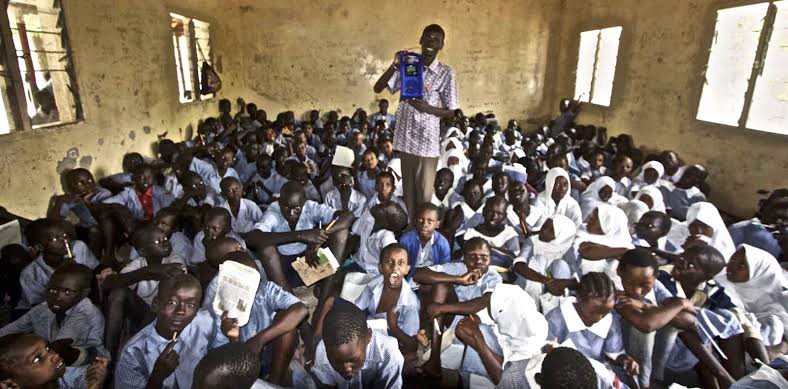
• Overcrowded classrooms
These challenges affect both teaching and learning experiences.
Conclusion
Nigerian universities have great potential, but several structural challenges hold them back from competing globally. Addressing issues like funding, infrastructure, curriculum updates, and research support is essential. With the right reforms and investments, Nigerian universities can improve their global standing and produce graduates who can compete anywhere in the world.
