
Feature
University life is often seen as a period for attending lectures, writing examinations and earning a degree. But for many students, university is also a time to discover their abilities, build relationships and prepare for life after graduation.
For many students involved in religious fellowships at Bamidele Olumilua University of Education, Science and Technology (BOUESTI), religion goes beyond worship and Bible study. These fellowships also provide opportunities for students to develop themselves through youth programmes, seminars, camps, leadership activities and other initiatives.
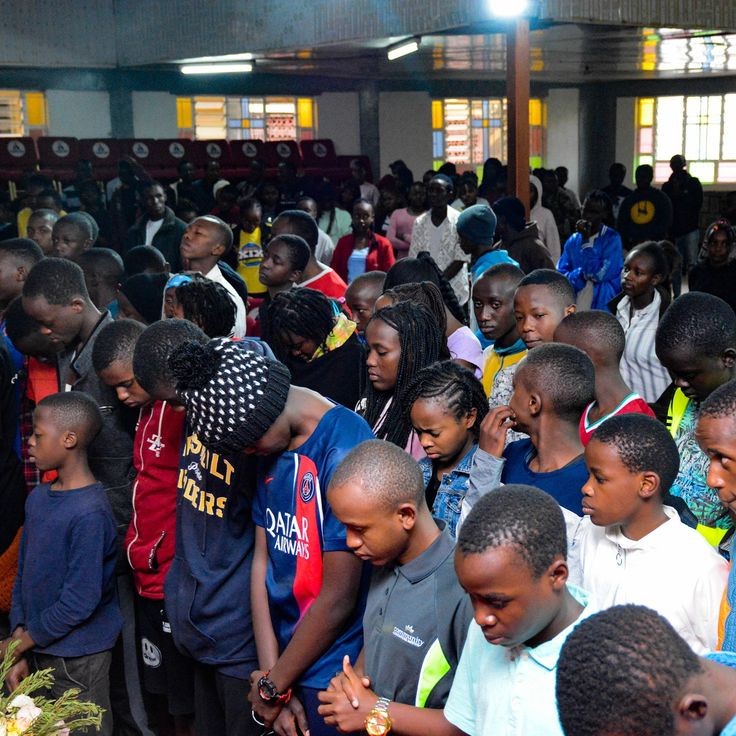
One example was the Students’ Transformation Summit (STS) held on September 9, 2026, at the Pre-degree Hall of BOUESTI. The summit was held under the theme “Empowering Students Beyond Classrooms.”
The programme focused on areas that are not always taught in the classroom. Its activities included business pitching, debate, guest speaker sessions and an awards segment.
The choice of theme reflects an important reality facing university students today. A degree may provide academic knowledge, but students also need practical skills and the confidence to use them.Religious fellowships can play a role in providing these opportunities. Through leadership programmes, youth activities, seminars, community initiatives and other programmes, students can gain experiences that complement their academic education.
The summit featured speakers including Amb. Olu-Ajayi Maxwell O., Special Assistant on Youth Development to the Ekiti State Governor, as well as AY Nigeria and Arc. (Dr.) Nwako Burabari.
The inclusion of activities such as business pitching and debate also shows the importance of encouraging students to think beyond examinations. Students are increasingly expected to develop communication, leadership, entrepreneurial and problem-solving skills before entering the workforce.
For students who participate in religious fellowships, such activities can provide a space where personal development, values and faith come together. They can encourage young people to develop themselves while also learning the importance of responsibility, service and positive relationships with others.
he role of religion among university students is therefore not limited to spiritual activities. Religious fellowships can also become communities where young people build friendships, develop leadership skills, discover their abilities and gain a stronger sense of purpose.
However, the challenge is ensuring that these programmes remain relevant to the actual needs of students. Religious organisations and student fellowships may need to continue creating programmes that address issues such as career preparation, entrepreneurship, leadership, communication skills and life after university.
As students prepare for life beyond the university, the question is no longer only about the certificate they will receive. It is also about the skills, values, relationships and experiences they will carry with them when they leave the classroom.