
INTERVIEW
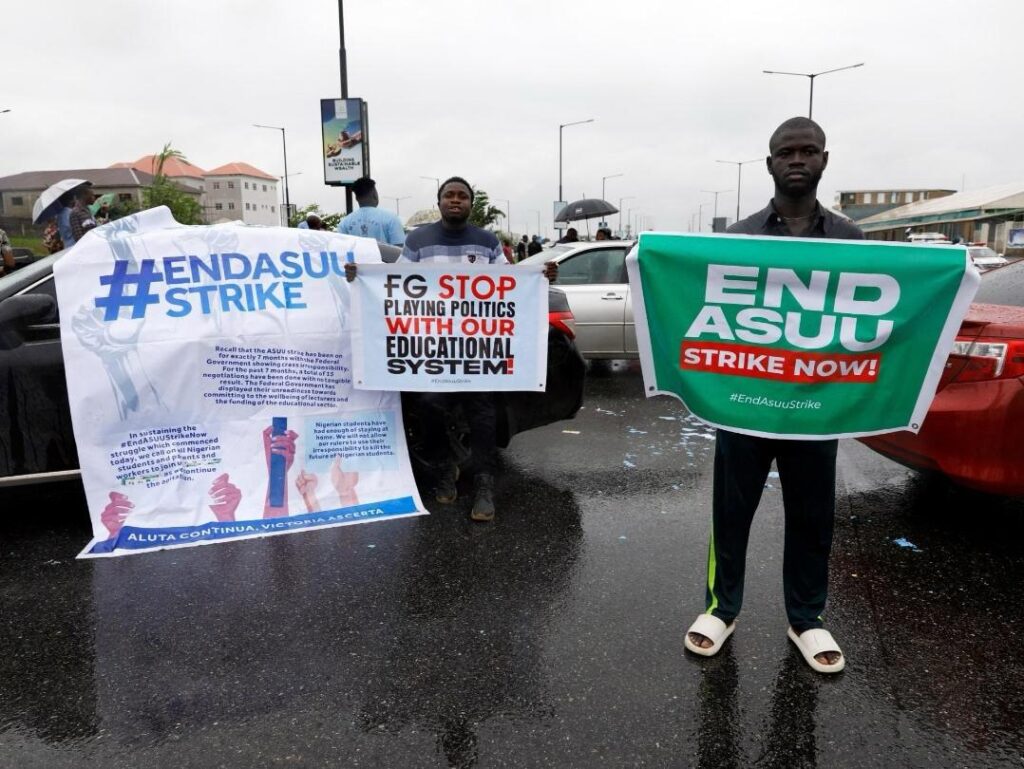
An Interview on How Government Decisions Shape Student Life
Government policies often sound distant and complicated, but many of them have a direct impact on students’ everyday lives. From tuition costs and student loans to transportation, internet access, and employment opportunities after graduation, policy decisions influence the student experience in more ways than many realize.
In this interview-style feature, we speak with an education analyst to understand how government policies affect students and why young people should pay attention to them.
Interviewer:
Many students think government policies have little to do with their daily lives. Is that true?
Education Analyst:
Not at all. Government policies affect students every day, whether they realize it or not. Decisions about education funding, school infrastructure, examination systems, transportation, electricity, internet access, and even economic policies all influence how students learn and live.
Interviewer:
Can you give an example of a policy that directly affects students?
Education Analyst:
Education funding is one of the biggest examples. When governments increase funding for schools and universities, institutions may improve facilities, provide better learning environments, and support academic programmes. When funding is inadequate, students often experience overcrowded classrooms, poor infrastructure, and limited resources.
Interviewer:
How do economic policies affect students?
Education Analyst:
Economic policies can affect the cost of living. When inflation rises, students often pay more for food, transportation, accommodation, textbooks, and other necessities. Even students who receive support from parents or guardians may feel the effects of higher living costs.
Interviewer:
What about student financial support programmes?
Education Analyst:
Scholarships, grants, and student loan programmes are important government initiatives that can make education more accessible. These programmes help students who may struggle to afford tuition and other educational expenses. Their success depends on proper implementation and accessibility.
Interviewer:
Do technology and digital policies affect students as well?
Education Analyst:
Absolutely. Policies related to internet access, digital infrastructure, and technology development can significantly influence education. In today’s world, many students rely on online resources, virtual learning platforms, and digital research tools. Better digital policies can improve access to educational opportunities.
Interviewer:
Why should students pay attention to government policies?
Education Analyst:
Because these policies help shape their future. Decisions made today can influence educational quality, employment opportunities, and economic conditions for years to come. Students who understand policy issues are better equipped to advocate for improvements and participate in civic discussions.
Interviewer:
Some students feel their voices do not matter. What would you say to them?
Education Analyst:
Students are important stakeholders in society. Their experiences provide valuable perspectives on education and youth development. When students engage in discussions, ask questions, and participate responsibly in civic life, they contribute to positive change.
Interviewer:
What is the biggest lesson students should take away from this conversation?
Education Analyst:
Government policies are not abstract decisions made in distant offices. They influence classrooms, campus life, academic opportunities, and future careers. The more students understand these policies, the better prepared they are to navigate challenges and contribute to solutions.
Final Thoughts
Government policies affect far more than politics. They shape the quality of education, the affordability of student life, and the opportunities available after graduation. While many students focus primarily on lectures and examinations, understanding the policies that influence their daily lives is equally important.
After all, decisions made in government today often determine the opportunities students will have tomorrow.
