
NEWS
INTRODUCTION
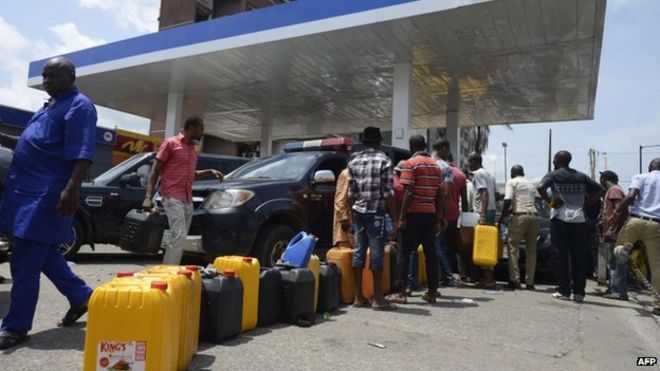
Students across different Nigerian universities have expressed frustration over the recent increase in fuel prices, saying it has affected transportation, feeding, and daily living expenses.
IMPACT ON TRANSPORTATION
Many students explained that transportation fares have doubled, making movement to school difficult. Some who live off-campus now spend more money commuting to lectures every day. Others revealed that they have reduced unnecessary outings in order to manage their finances.
EFFECT ON FEEDING AND LIVING EXPENSES
A student of Mass Communication explained that the increase has also affected food prices around campus because transport costs for food vendors have increased. The rising cost of transportation has made it more expensive for students to purchase daily necessities and meals.
CHALLENGES WITH ELECTRICITY AND FUEL COSTS
Another student stated that electricity supply issues now force many students to buy fuel for generators, which has become more expensive. This has added to the financial pressure faced by students who depend on alternative power sources for studying and daily activities.
ADAPTATION AND FINANCIAL ADJUSTMENTS
Despite the complaints, some students believe the situation may encourage people to become more financially disciplined and creative with income sources. Small businesses run by students have also adjusted their prices because of the rising cost of transportation and goods.
CONCLUSION
University communities continue to feel the effects of the fuel price changes, and many students are calling for solutions that will reduce the economic burden on young people and families. As fuel prices continue to influence various aspects of student life, many hope for measures that will ease the financial challenges facing students across the country.
