
OPINION

INTRODUCTION
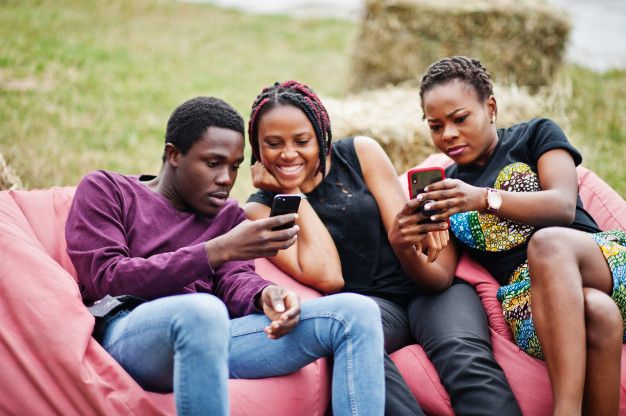
Social media has become more than just a place for entertainment among young Nigerians. Platforms like TikTok, Instagram, Snapchat, and X have slowly shaped the way young people speak, dress, think, and even define success. Today, identity is no longer formed only by family, culture, or school environment. It is now heavily influenced by online trends and digital communities.
THE SEARCH FOR VALIDATION ONLINE
Many young Nigerians now build their confidence and self-worth through validation online. The number of likes, followers, reposts, and comments often determines how valuable a person feels. This has created pressure to constantly appear perfect, successful, fashionable, and happy even when reality says otherwise.
THE POSITIVE IMPACT OF SOCIAL MEDIA
At the same time, social media has given young Nigerians a voice. Young people now express opinions freely, build businesses, promote talents, and connect with opportunities globally. Creators, influencers, fashion entrepreneurs, musicians, and activists have all benefited from online visibility. Social media has also helped many youths become more confident and expressive.
THE CHALLENGE OF LOSING AUTHENTIC IDENTITY
However, there is a growing concern that some young people are gradually losing touch with their real identities. Many imitate lifestyles they cannot afford simply because they want to fit into online standards. Some now value trends more than culture, and appearance more than character.
FINDING A BALANCE IN THE DIGITAL AGE
The question remains: are young Nigerians becoming more confident individuals, or are they becoming people shaped mainly by online expectations? Social media is powerful, but young people must learn to use it without allowing it to completely define who they are.
CONCLUSION
Social media continues to influence the identity of young Nigerians in both positive and negative ways. While it creates opportunities for self-expression, creativity, and growth, it also brings pressure to meet unrealistic standards. The key lies in maintaining a balance between online presence and personal values, ensuring that social media remains a tool for empowerment rather than a force that defines one’s identity.
