
EXPLAINER

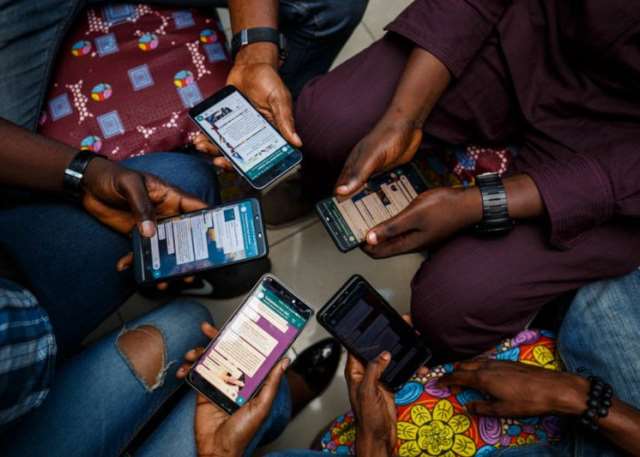
Social media has become the heartbeat of daily life for millions of young Africans. From Lagos to Nairobi and Johannesburg, platforms like TikTok, Instagram, and WhatsApp shape how youth connect, learn, earn, and speak out. But while it brings opportunities, heavy use is also creating hidden problems that many are only now beginning to notice.
African youth are among the fastest-growing users of social media on the continent. Smartphones and cheaper data have made it easy to spend hours scrolling daily. Many use it for genuine good building businesses, joining study groups, or organizing for change. Yet for too many, it has turned into a constant distraction that affects focus, sleep, and mental peace.
When Trends Go Viral: The Digital Pulse of African Youth
Across Africa, social media trends spread at lightning speed.
We’ve seen viral moments like:
• TikTok challenges created by African creators gaining global attention
• Youth-led movements using hashtags to demand accountability and social change
• Students turning content creation into full-time income streams
• “Day in the life” and “soft life” content redefining lifestyle expectations
At the same time, there are less celebrated viral realities:
• Misinformation spreading rapidly during elections or crises
• Online scams and fake investment schemes targeting young users
• Public online shaming and cancel culture affecting mental health
These trends show one thing clearly:
• Social media is not just influencing youth culture it is shaping identity, ambition, and decision-making.
The Benefits: Why Social Media Matters
- Income opportunities through digital businesses and freelancing
- Access to information and global knowledge
- Creative expression in music, fashion, and storytelling
- Youth activism and civic engagement
- Networking across countries and industries
For many, social media is not just entertainment it is a tool for survival and growth.
The Problem:
The pressure comes from everywhere. Social media rewards flashy lifestyles, quick validation, and constant comparison. In countries with high youth unemployment and economic hardship, the promise of online income or fame pulls many in deeper. Academic distraction, anxiety from comparison, and spread of misinformation have become common side effects.
Who Bears the Responsibility:
Tech companies push addictive designs to keep users online longer for profit. African governments have been slow to create strong digital literacy programs or regulations that protect young users. Schools often ban phones without teaching responsible use. Parents sometimes contribute by focusing only on “hustle online” without setting boundaries. Even influencers and brands glorify unrealistic online lives without showing the real costs.
The Solution:
Change is possible with simple but firm steps. Schools should add digital literacy to the curriculum to teach balance and critical thinking. Parents need to model healthy screen time at home. Governments and platforms must invest in awareness campaigns and affordable mental health support for affected youth. Young people themselves can create positive online communities that celebrate real growth over clout.
Conclusion: A Tool That Needs Direction
Social media is one of the most powerful tools shaping African youth today.It has created opportunities that did not exist before but it has also introduced new risks that cannot be ignored.
The future is not about reducing social media use but about using it wisely, consciously, and responsibly.
Join the Conversation
- Is social media helping or harming African youth overall?
- Should schools make digital literacy a compulsory subject?
- How can young people balance online life with real-life responsibilities?
Share your thoughts because the digital future of Africa is being shaped right now.
