
AN OPINION
INTRODUCTION
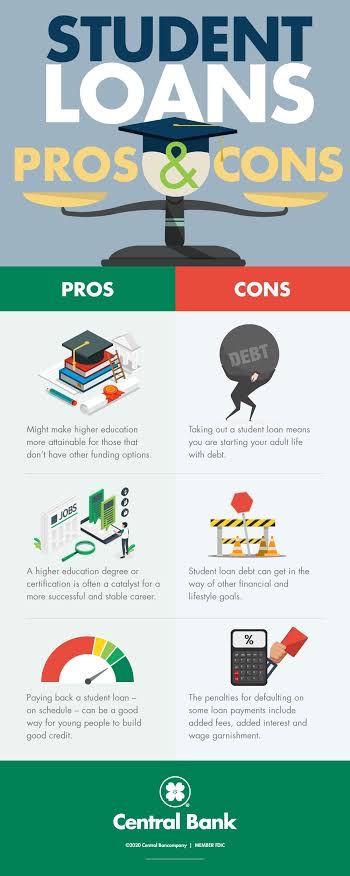
Student loans have become one of the most common ways to finance higher education, yet for many borrowers, they remain deeply misunderstood. What we do know is straightforward: student loans are borrowed funds that must be repaid with interest, typically used to cover tuition, books, and living expenses while studying. Governments and private lenders offer these loans, often with different repayment terms, interest rates, and forgiveness options. However, beyond these basic facts, a great deal remains uncertain or confusing for students and families from how interest truly accumulates to what happens when repayment becomes unaffordable. This gap between basic knowledge and practical understanding has left millions navigating a system that often feels opaque and overwhelming.
WHAT WE KNOW AND WHAT WE DON’T
What we clearly know about student loans includes the mechanics of borrowing: federal loans usually offer fixed interest rates and income-driven repayment plans, while private loans vary widely based on credit scores and market conditions. We also know that defaulting on student loans can damage credit scores, lead to wage garnishment, and follow borrowers for decades. Yet significant unknowns persist. For example, many borrowers do not fully understand how capitalized interest works where unpaid interest gets added to the principal balance, causing the debt to grow even when minimum payments are made. There is also widespread confusion around loan forgiveness programs, such as Public Service Loan Forgiveness (PSLF), including which employers qualify and which payment counts actually matter. Additionally, the long-term psychological and economic effects of carrying student debt for 20 or 30 years are still being studied. What remains unknown for many individuals is the true total cost of their loan by the time it is fully repaid, as well as the most effective strategies for paying it down faster without sacrificing other financial goals.
CONCLUSION
In short, while the basic concept of a student loan is simple borrow now, repay later the real-world experience is far more complex. We know the rules on paper, but we often do not know how those rules will apply to our unique financial situations, career paths, or life emergencies. To bridge this gap, students must seek clear, personalized information before signing any loan agreement, and policymakers should push for greater transparency in interest calculations and repayment options. Ultimately, what we don’t know about student loans can hurt us but asking the right questions, reading the fine print, and demanding better financial education can turn unknowns into manageable knowledge.
