
AN EXPLAINER
INTRODUCTION
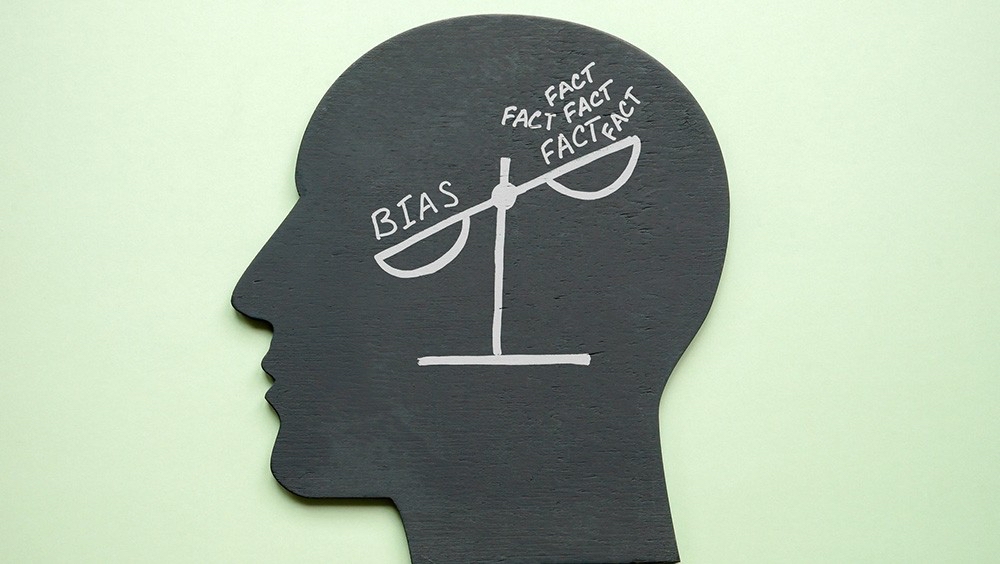
Objectivity has long been held as the gold standard of professional journalism the idea that reporters can and should present news without inserting their own opinions, emotions, or biases. In theory, an objective journalist simply observes, verifies, and reports facts, allowing audiences to form their own conclusions. This principle underpins public trust in the media, distinguishing news from propaganda or entertainment. However, in practice, the concept of pure objectivity raises a fundamental question: can any human being truly set aside their personal experiences, cultural background, and worldview when selecting which facts to report and how to frame them? This tension between the ideal and the real has made objectivity one of the most debated topics in media ethics.
CONTEXT
In everyday newsrooms, several factors make complete objectivity difficult to achieve. Journalists, like all people, hold personal beliefs that can unconsciously influence word choice, source selection, and story emphasis. Editorial decisions such as which events receive front-page coverage and which are omitted inevitably reflect a set of priorities. Additionally, the pressure to meet deadlines or satisfy audience preferences can subtly shape how a story is told. Despite these challenges, objectivity remains a vital guiding standard rather than an unattainable myth. It encourages reporters to fact-check rigorously, seek out multiple and conflicting perspectives, and correct errors transparently. Even if absolute neutrality is impossible, striving for fairness and balance helps prevent deliberate misinformation and reduces the harm of unconscious bias. Many journalists now prefer terms like “accuracy” or “intellectual honesty” over rigid objectivity, acknowledging that transparency about their methods and limitations can build as much trust as false claims of detachment.
CONCLUSION
Absolute objectivity in journalism may indeed be an ideal rather than a fully reachable reality, but that does not make it meaningless. On the contrary, it serves as a crucial compass directing journalists toward fairness, verification, and accountability even when perfection is out of reach. Rather than abandoning the concept, the media industry should refine it: emphasizing transparent reporting, diverse sourcing, and clear distinctions between news and opinion. For audiences, understanding the challenges of objectivity encourages critical thinking and media literacy. Ultimately, objectivity is not a myth to be dismissed nor a flawless reality to be claimed it is an ongoing commitment to doing justice to the truth, as fairly and honestly as humanly possible.
