
AN EXPLAINER
Gender bias in academic opportunities happens when men and women are not treated equally in education, leadership positions, or career advancement. Although more women now have access to education, many still experience challenges in academic environments.
In many institutions, female students and scholars sometimes face stereotypes, unequal opportunities, and limited representation in leadership and professional spaces. These challenges can affect confidence, participation, and career growth for women in academia.
As society continues to promote equality, concerns remain about whether women truly have the same opportunities as men in education and academic leadership.

One major cause of gender bias is long-standing cultural beliefs about the roles of men and women in society. In the past, education was often seen as more important for boys, while girls were expected to focus on domestic responsibilities.
Another cause is the stereotype that certain courses, such as engineering, computer science, and architecture, are better suited for men. This discourages some girls from pursuing careers in these fields.
Family responsibilities and childcare also affect many women in academia, sometimes slowing career growth and promotion opportunities.
In addition, the lack of female representation in leadership positions and academic research can make it harder for young women to find role models and support within educational institutions.
Society and cultural systems are often blamed for maintaining beliefs that limit women’s opportunities in education and leadership.
Some educational institutions have also been criticized for unequal treatment, limited support systems, and underrepresentation of women in decision-making positions.
Employers and academic organizations may also contribute to the problem through unfair promotion systems, gender stereotypes, or workplace discrimination.
At the same time, lack of policies supporting work-life balance for women in academia continues to affect career progression and equal participation.
Experts recommend stronger policies promoting gender equality in schools, universities, and workplaces.Educational institutions should encourage female participation in all academic fields, especially science, technology, engineering, and mathematics (STEM) courses.
Mentorship programs, scholarships, and leadership opportunities should also be expanded to support female students and scholars.
Universities and employers should create fair promotion systems and flexible work policies that support women balancing academic careers and family responsibilities.
In addition, society should continue challenging stereotypes that limit women’s educational and professional opportunities.
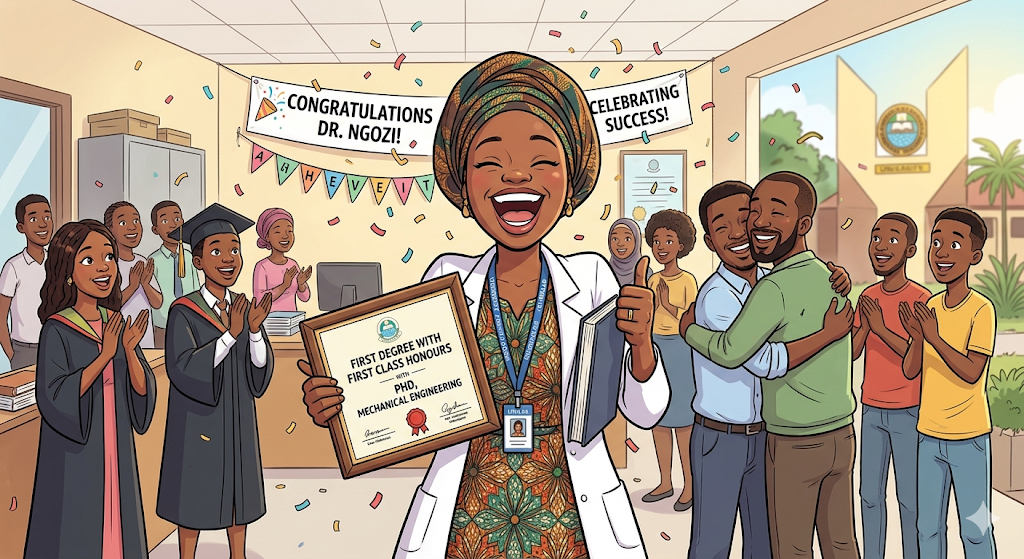
Gender bias in academic opportunities may not always be obvious, but many women still experience unequal treatment in subtle ways. While progress has been made, challenges related to representation, leadership, and career growth continue to affect women in education.
This raises important questions:
- Do women truly have equal opportunities in Nigerian academia?
- Why are some courses still considered “male-dominated”?
- Should universities do more to support female leadership?
- How can society encourage more girls to pursue careers in STEM fields?
As conversations about equality continue, many believe that education systems can only improve when everyone is given equal opportunities to learn, lead, and succeed.
